




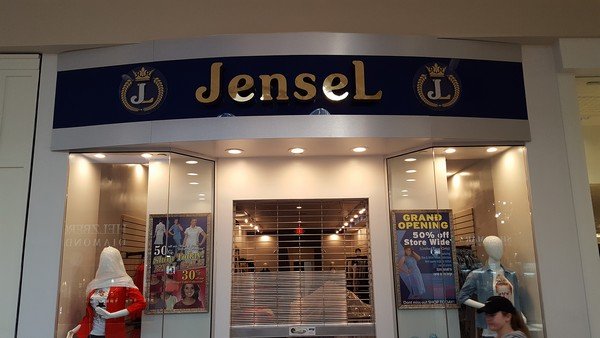
Atlanta Outdoor Signs & Exterior Signs
VIEW GALLERYAttractive, eye-catching exterior signage is the #1 way to increase customer foot traffic. Axe Signs knows how to create the impact you want to improve your bottom line!
 Axe Signs is a full-service Atlanta signage provider, and is ready to create the impactful exterior signage you want no matter what exterior signage you need! We craft beautiful storefront signs, promotional window displays, high visibility portable signage, informative outdoor banners and yard signs, and so much more! Whatever your signage challenges may be, from single signs to full collections, we will rise to the challenge and craft the exterior signage you need!
We work with any existing brand guidelines, utilizing your fonts, colors, and logos throughout all of your signs. Consistency plays a significant role in reinforcing and building the professionalism your brand needs to step into the role as an industry leader. When you need a show-stopping signage solution that catches your customer’s eye, Axe Signs is your go-to signage partner.
Call Axe Signs at (678) 433-9878 for a Free Consultation with an Outdoor Sign Specialist!
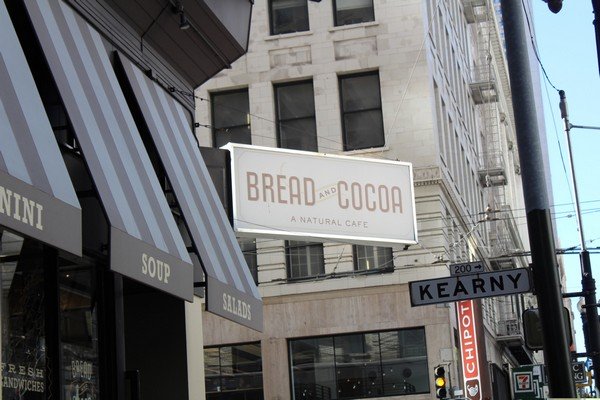
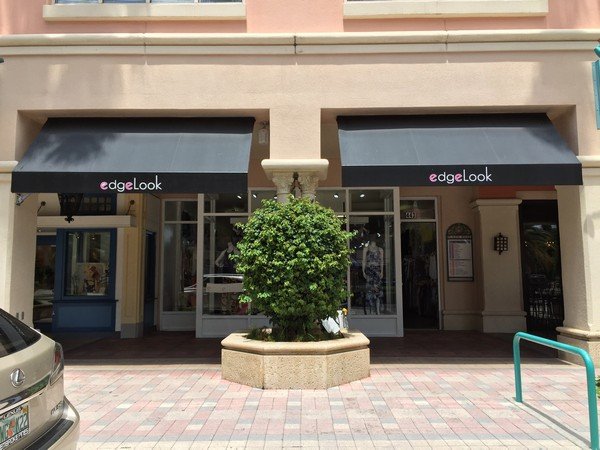
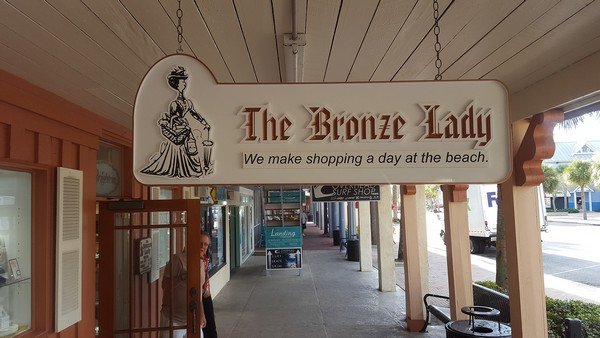
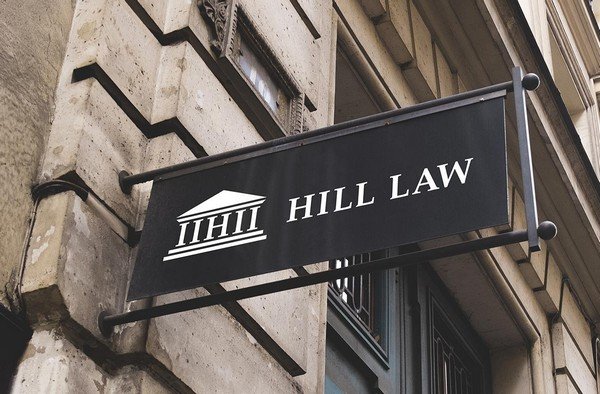
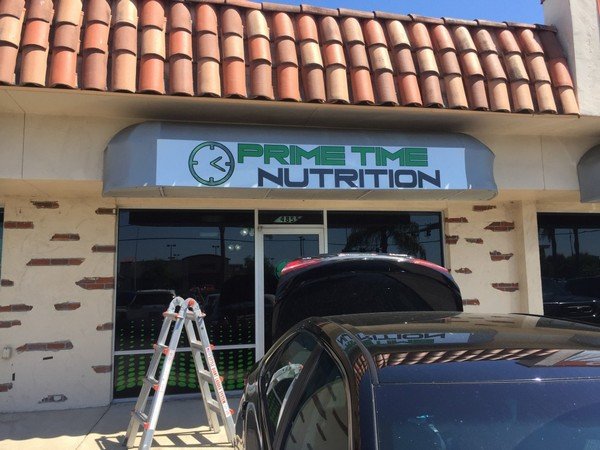
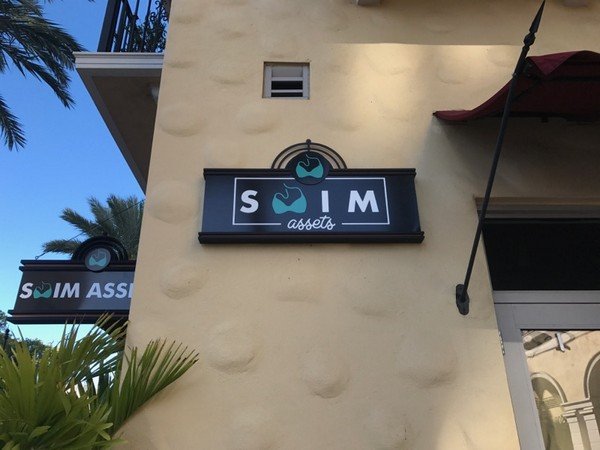
Storefront & Building Signs
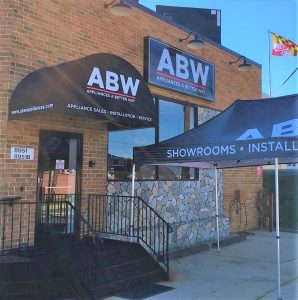
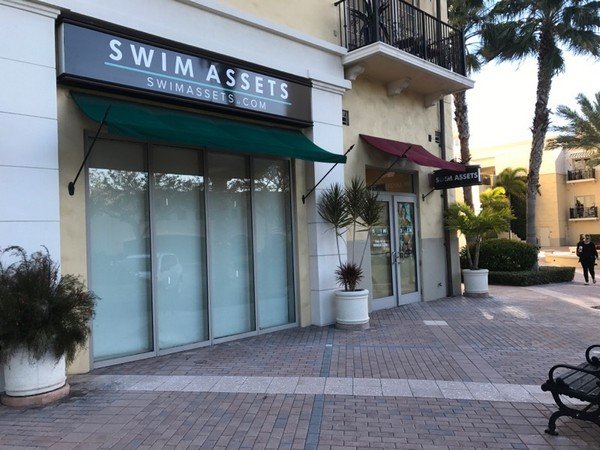
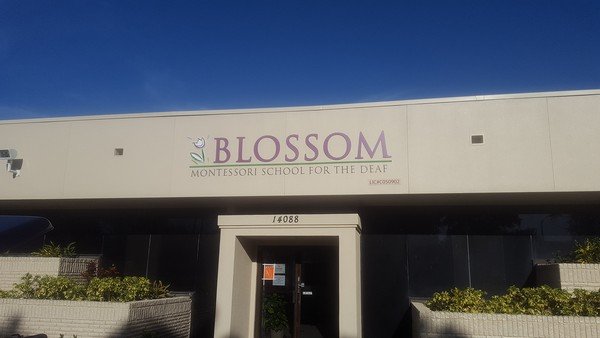
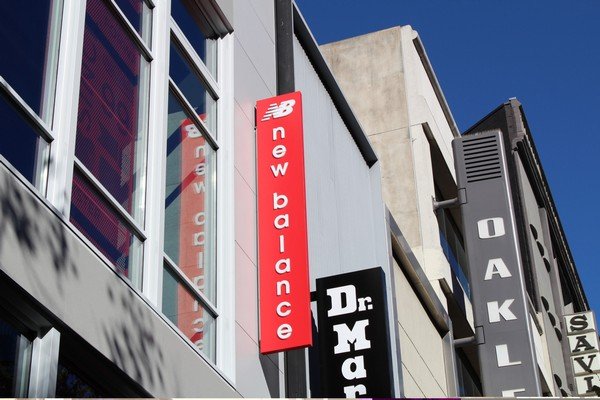
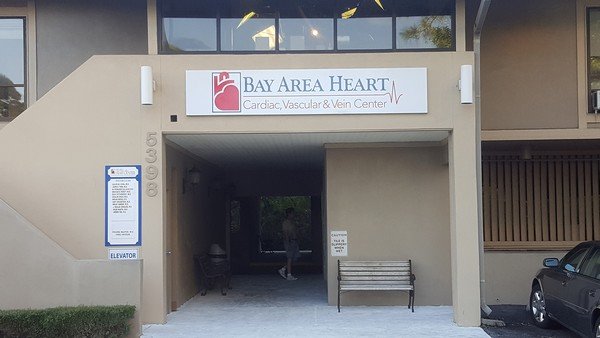
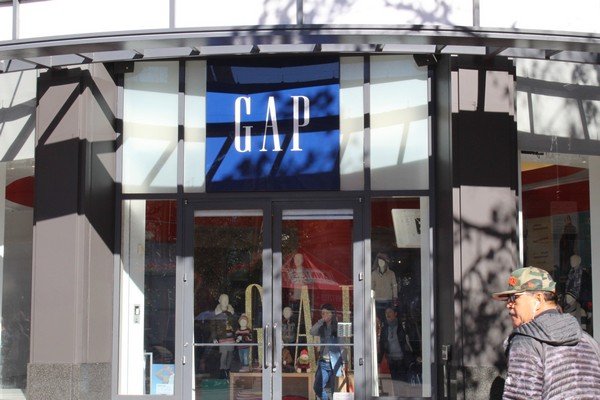
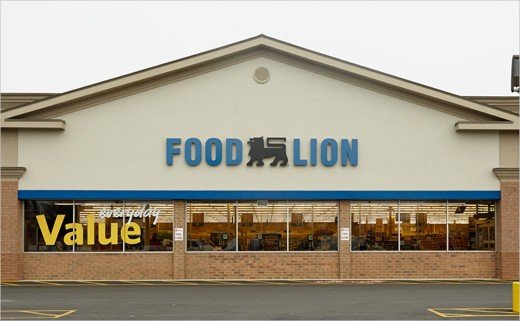
Choosing the best storefront sign to capture the right image for your business can be challenging. There are various exterior signage options, and just as many considerations to make such as placement, sizes, and styles.
Our knowledgeable signage staff understands the challenges you face when trying to select the signs that best fit your business or organization. We strive to understand your needs, location, budget, and brand personality in order to make sound recommendations that will create the impact you want while focusing on longevity and durability to get the most out of your investment.
Effective signage is vital to helping you achieve the results you want for any goals you set. Let the Atlanta signage experts at Axe Signs help pare down the options and get the signage solutions that best fit your needs.
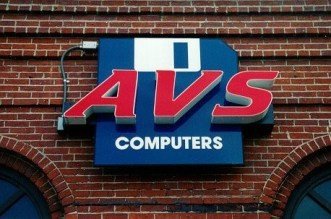
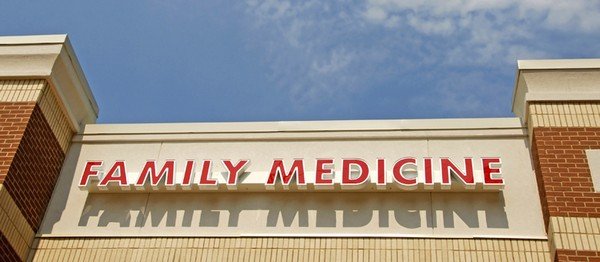
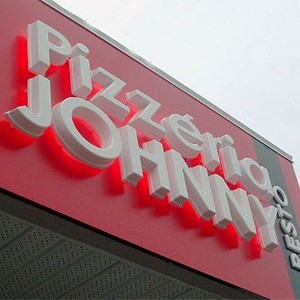
Channel Letters & Dimensional Letters
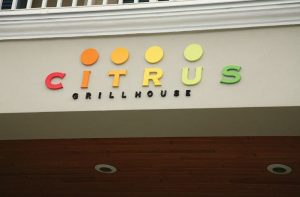
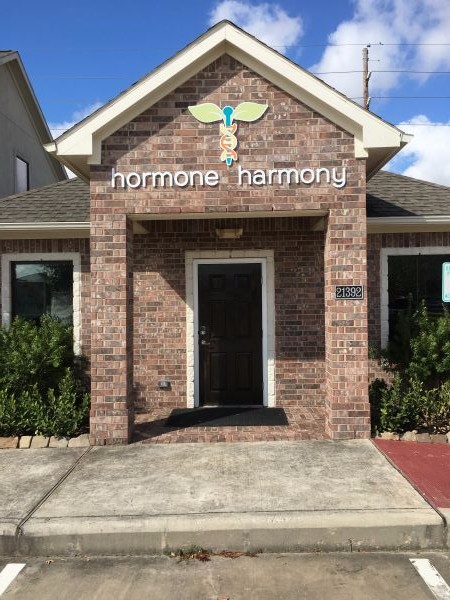
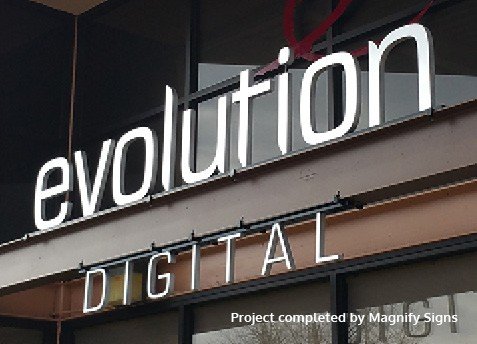
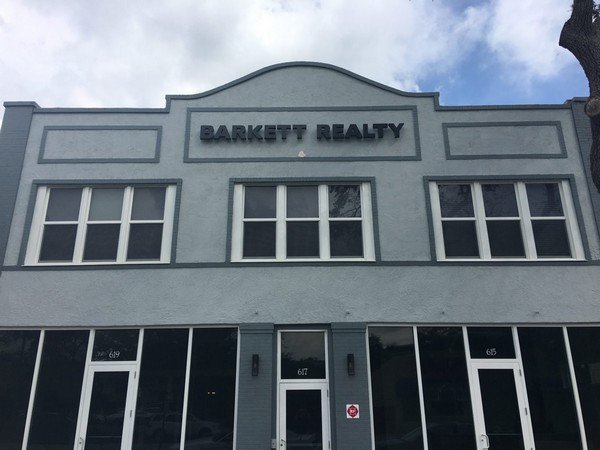
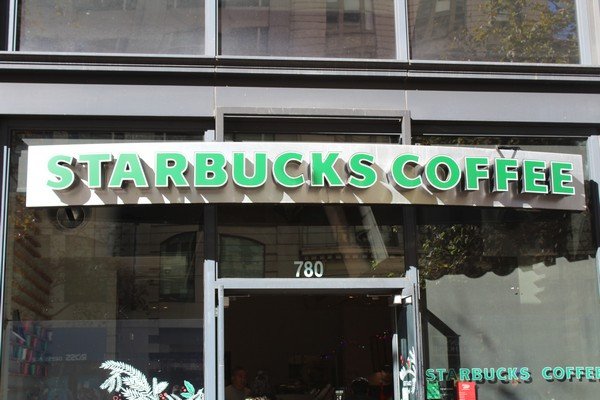
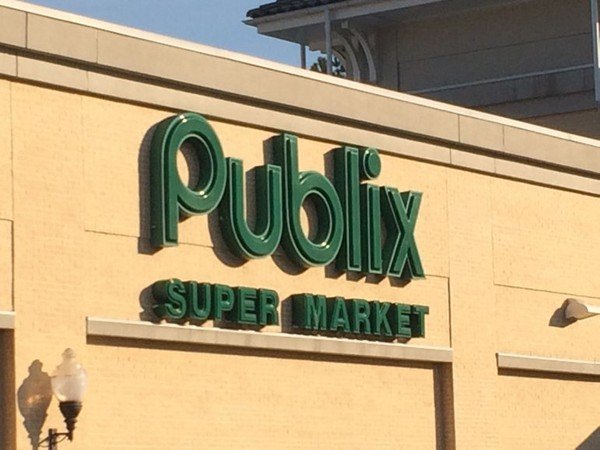
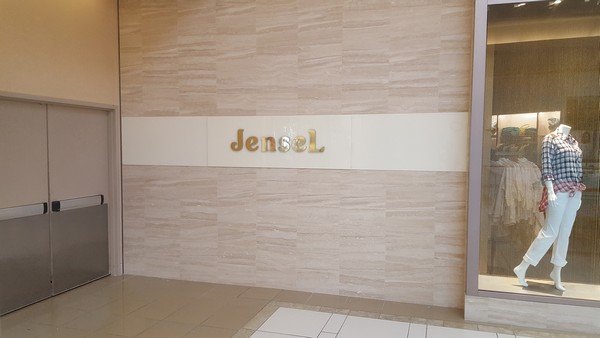
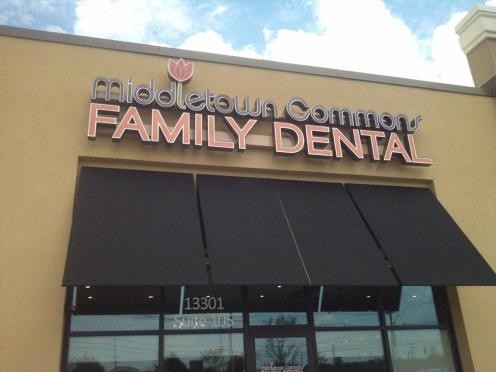
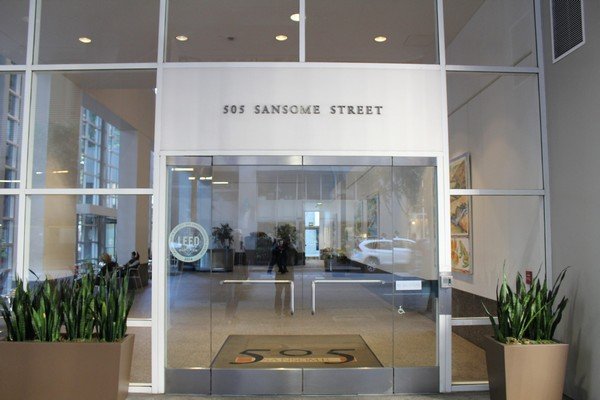
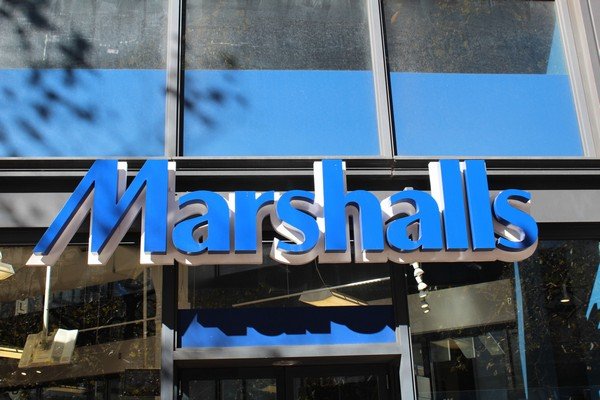
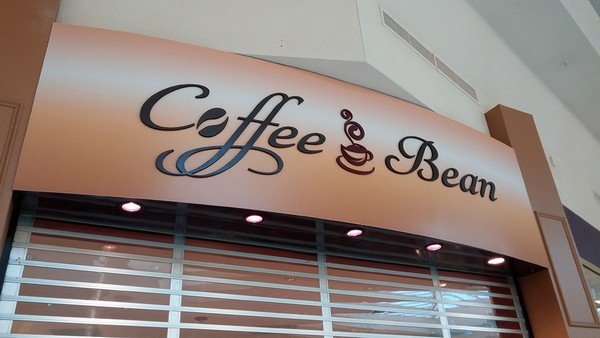
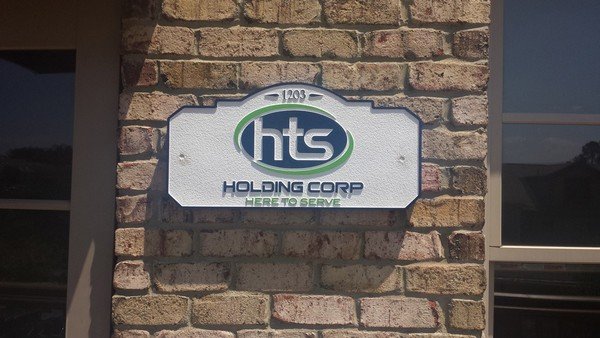
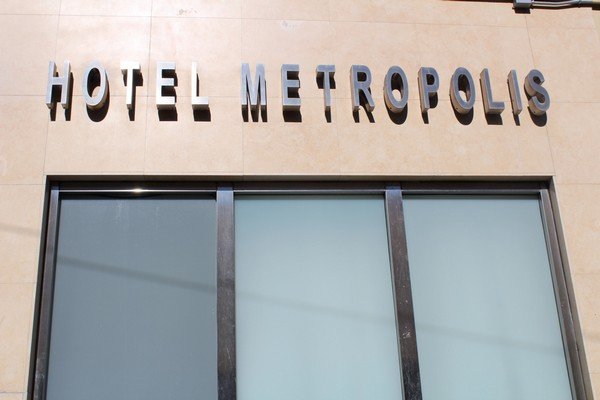
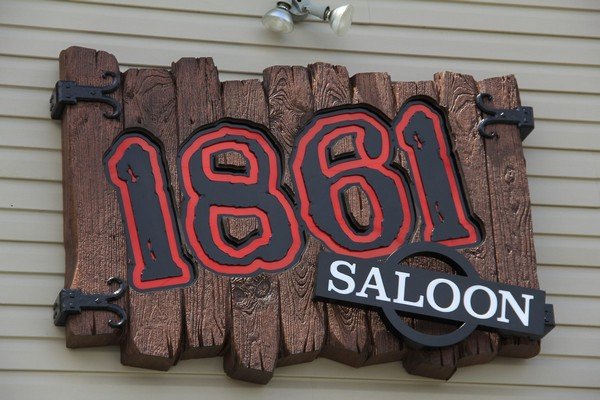
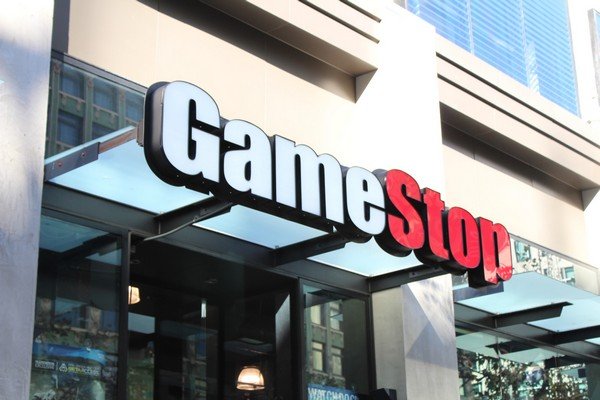
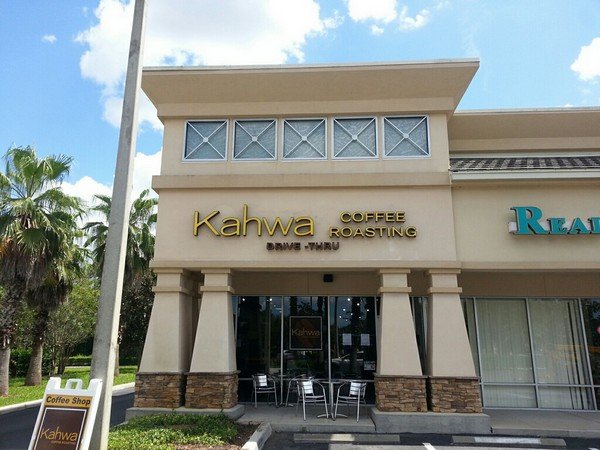
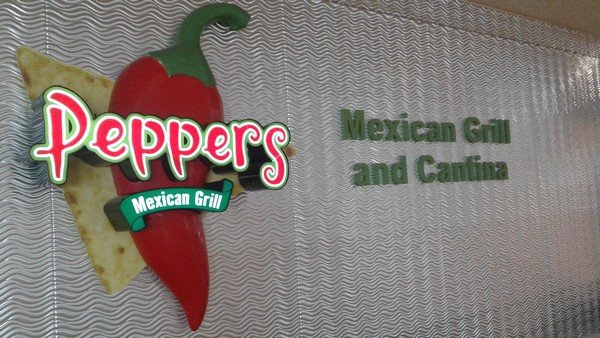
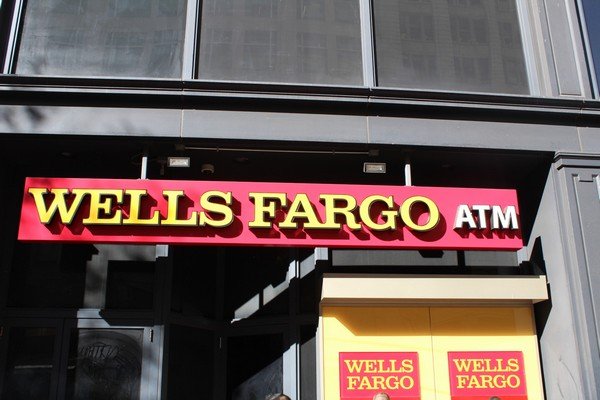
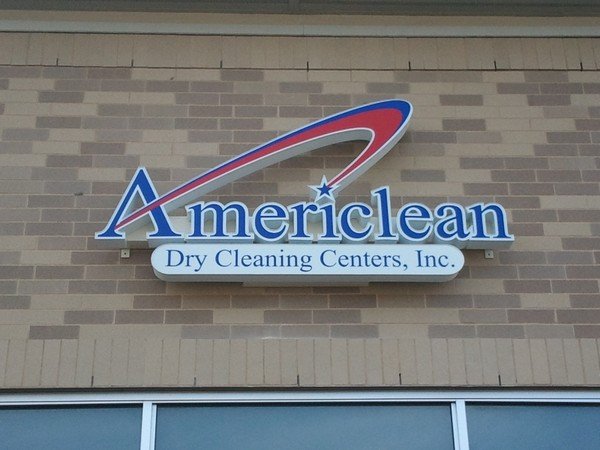
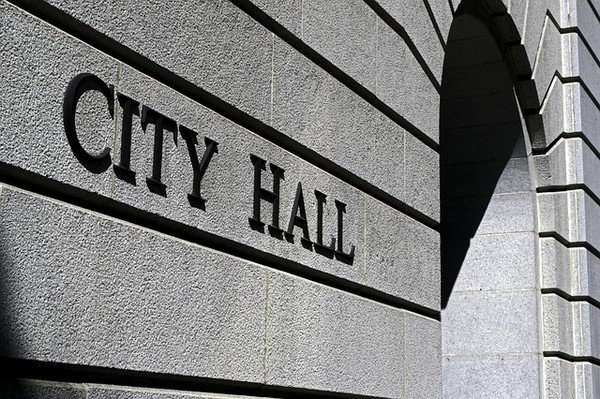
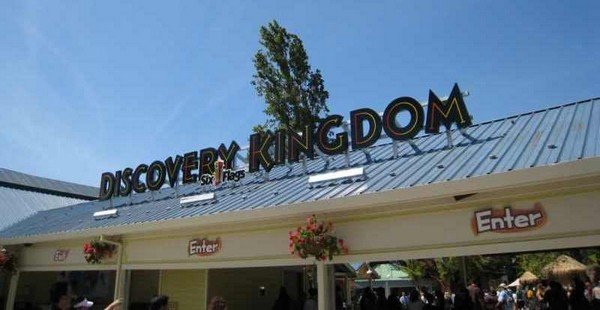
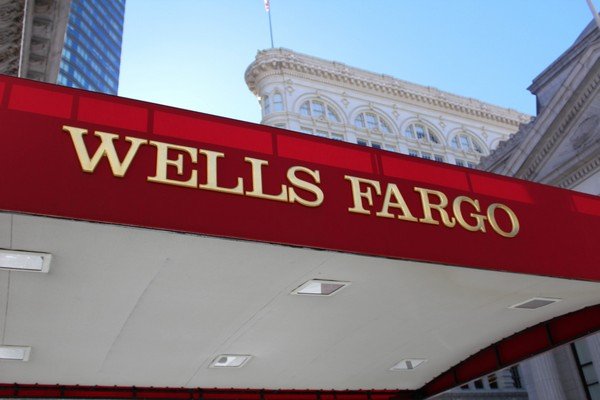
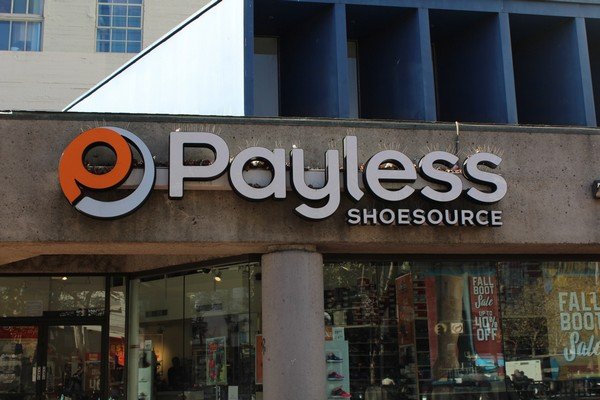
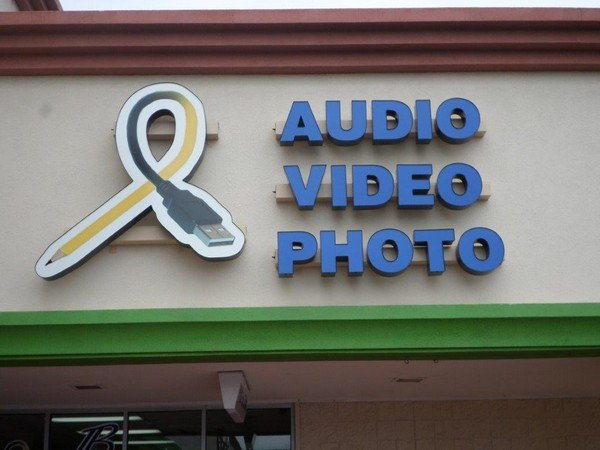
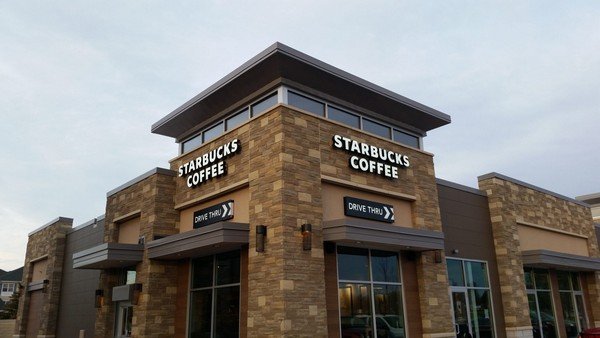
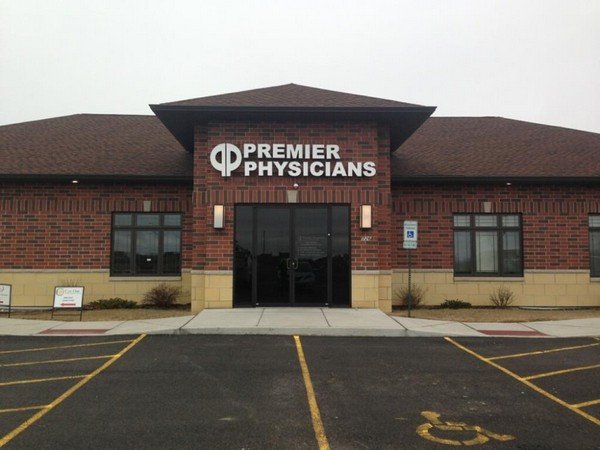
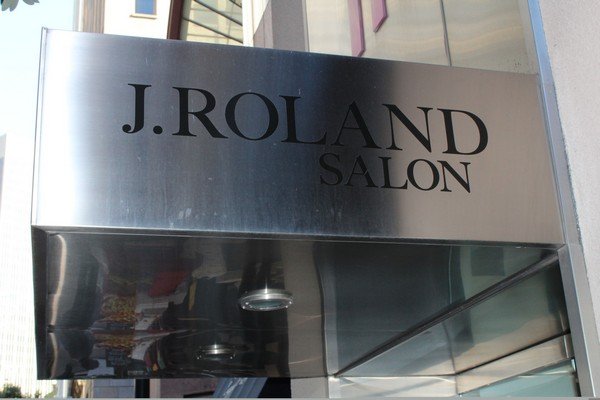
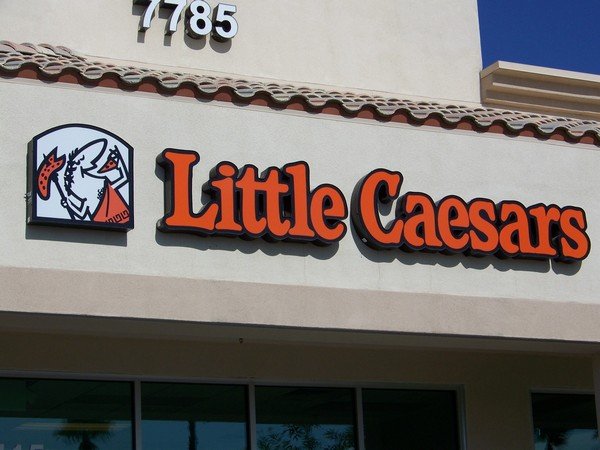
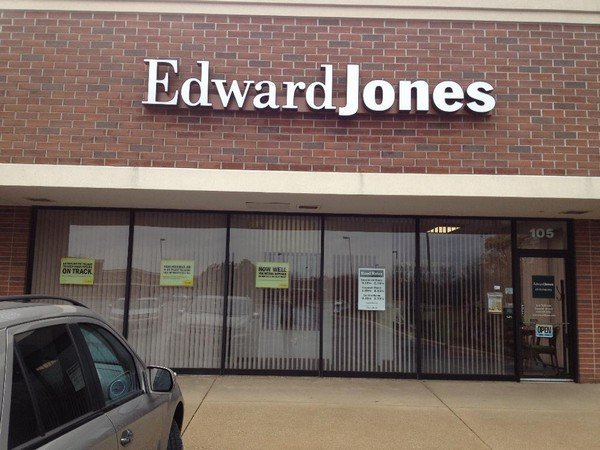
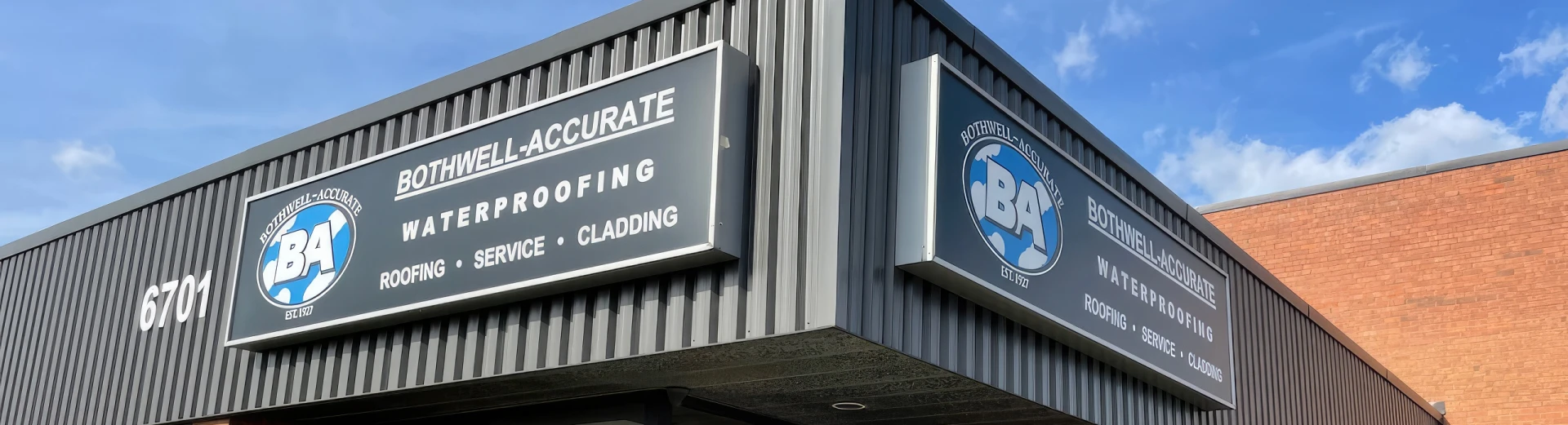
Channel letters and dimensional letters are a favored option for any industry. These options provide a highly-customizable and attractive way to introduce your business or organization to your community and grab the attention of your target audience. Add your logo, numbers, letters, or symbols to present your business in a way that feels more like an extension of your building rather than an addition.
Channel and dimensional letters are custom made for your brand and business and allow you to control everything from the text itself to the placement, colors, and fonts. We support your throughout your signage project and provide the recommendations to help you create the impact you want for your signage solution!
Channel letters are ideal for any business type or location and provide a versatile, highly-customizable option to display your brand proudly and professionally!
Lighted Signs
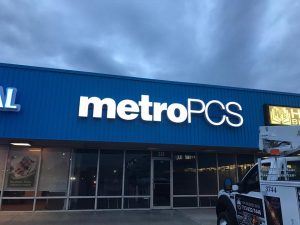
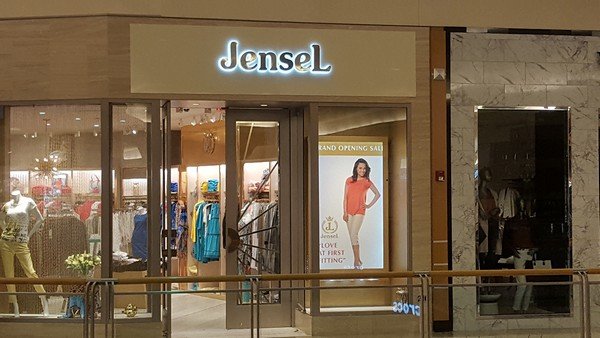
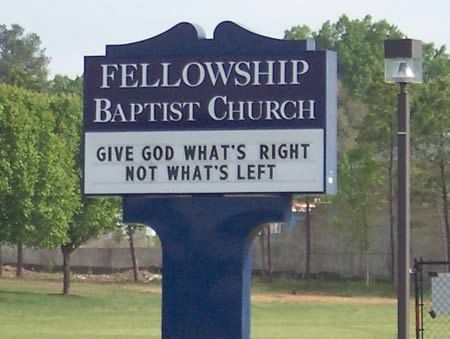
Very few businesses operate only during the day and only when it is bright and sunny. So if you need to attract customers in any weather condition or time of day, lighted signs will help you draw do just that!
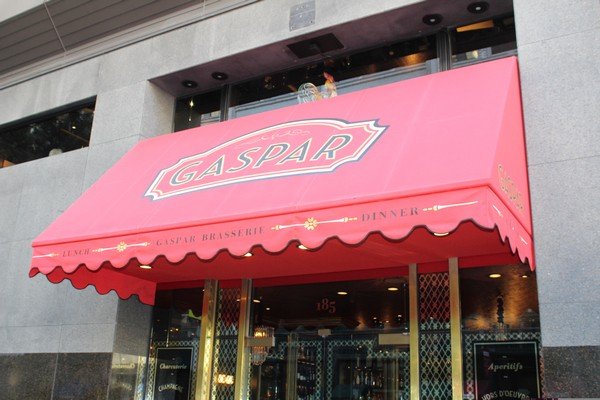
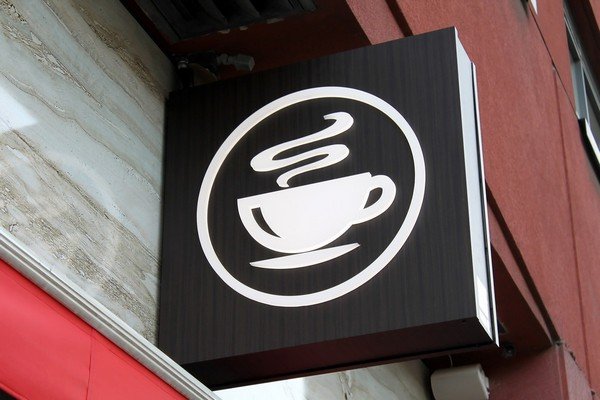
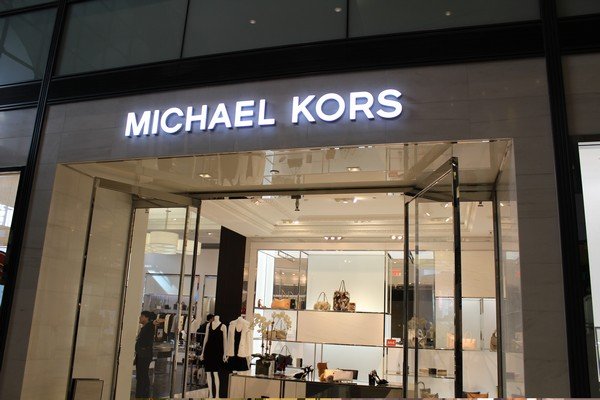
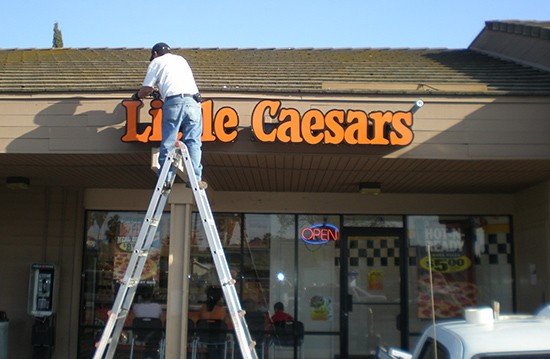
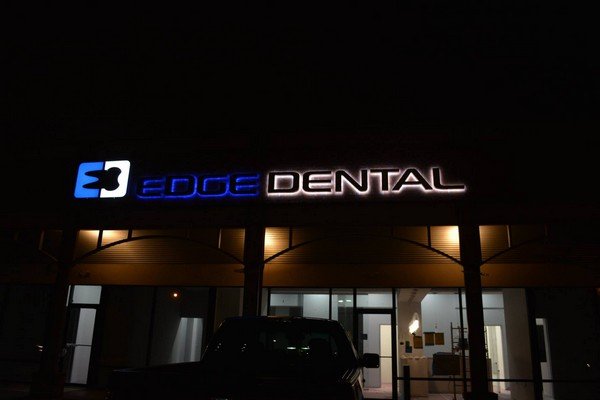
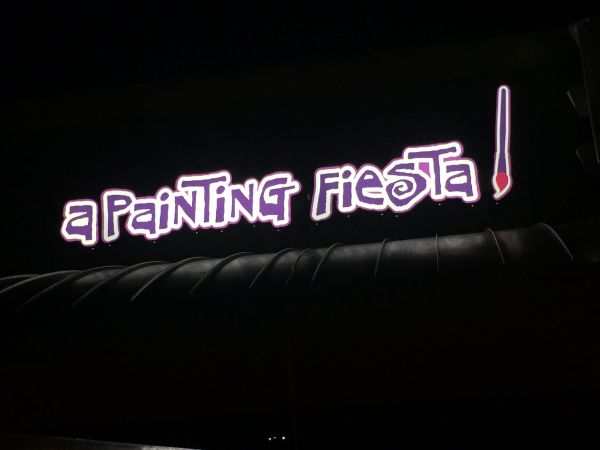
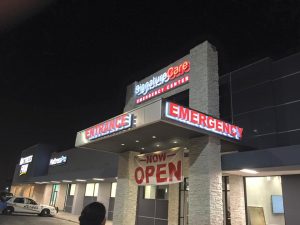
Lighted signs come in various options, including cabinet signs, illuminated channel letters, backlit dimensional letters, and even digital message boards and displays. Do you need the retro feel of a neon sign for your business environment? LED signs not only mimic the retro feel of neon, but also do so at a fraction of the cost and consume less energy, produce less waste, and are an environmentally friendly option!
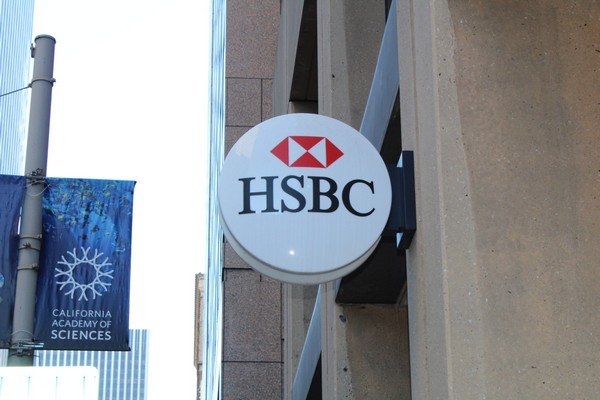
Lighted signs are the beacon your business needs to attract customers and are ideal for nightclubs, theaters, comedy clubs, bars, convenience stores, restaurants, gas stations, retail businesses, and more.
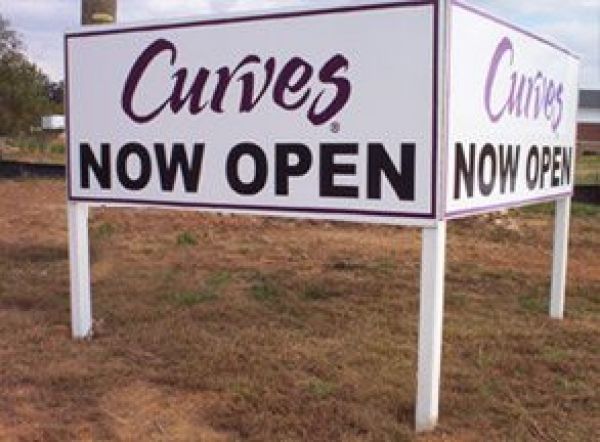
Sign Panels
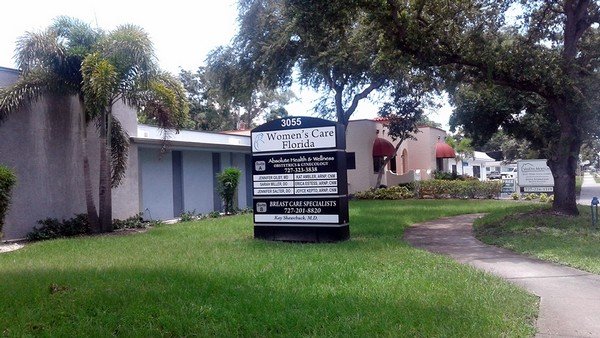
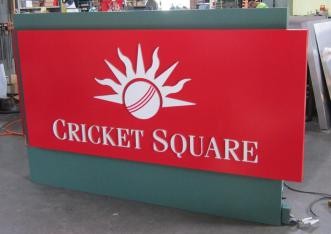
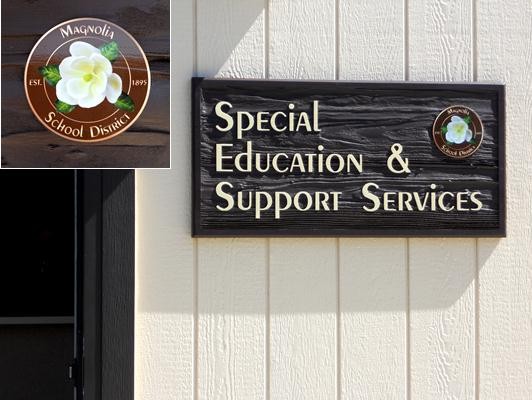
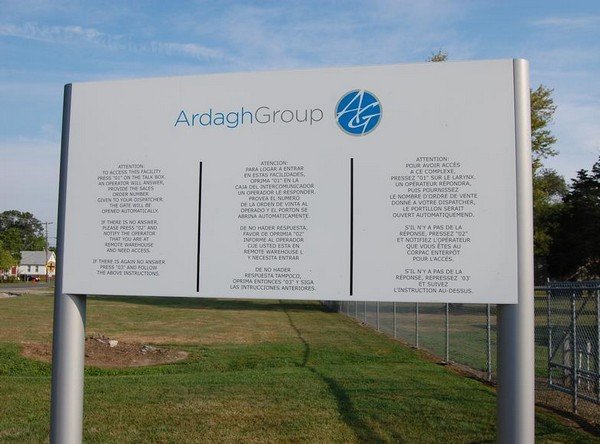
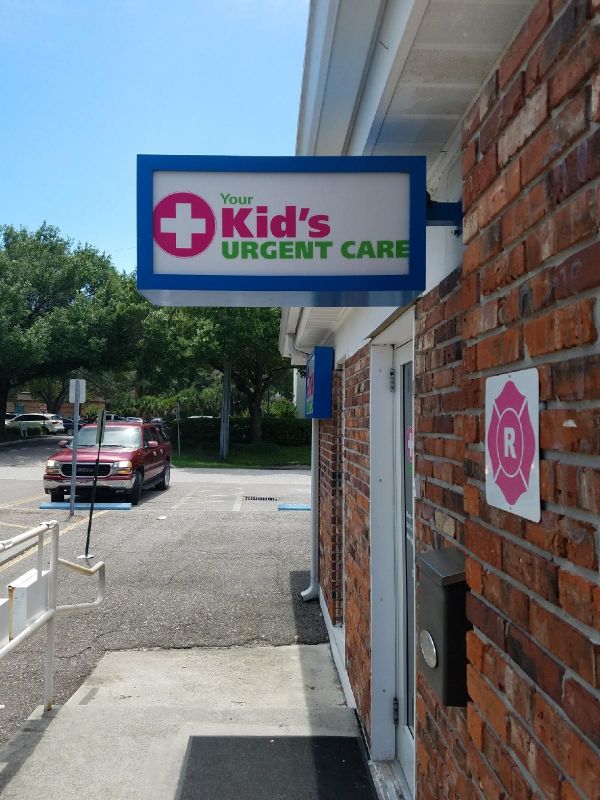
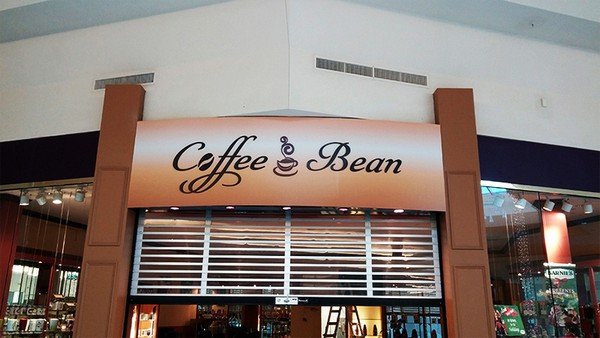
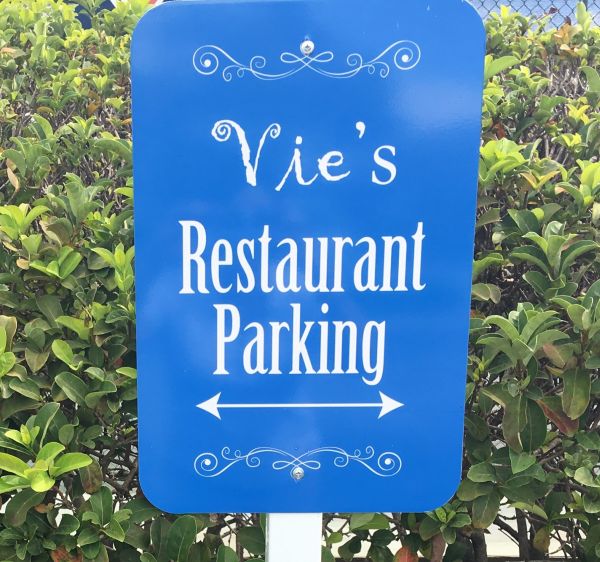
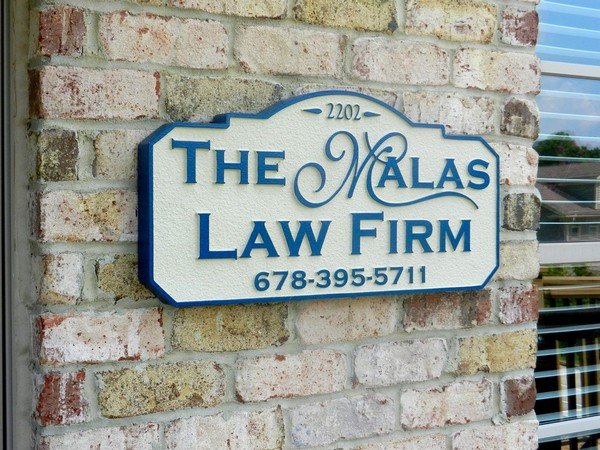
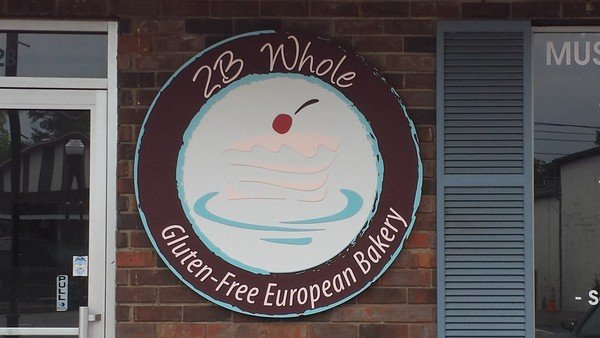
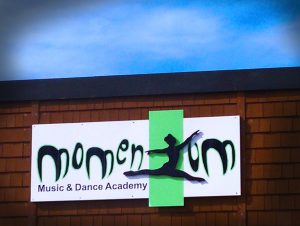 Sign panels are a fantastic way to identify your business when on a budget. With full-color printing capability, you can get a completely custom sign panel with whatever business information you desire, from your brand name to logo, marketing message, address, phone number, and more.
Sign panels are quick and easy to produce, and with few moving parts require little maintenance over time. Our custom panel signs are typically produced from lightweight and durable aluminum, though there are many options for adding your information. From printing directly on the panel to using vinyl graphics, we make sure your message is clear, attractive, and effective.
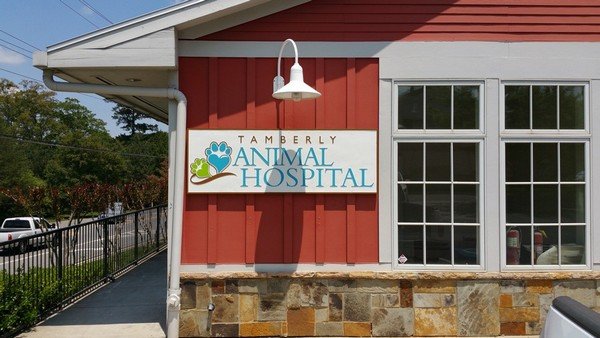
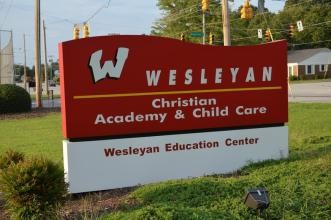
Sign panels are an economical choice, ideal for repair shops, daycares, small businesses and local businesses, or those working with a tight signage budget.
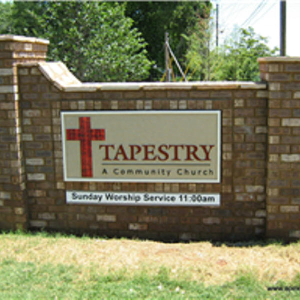
Monument Signs
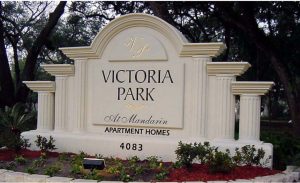
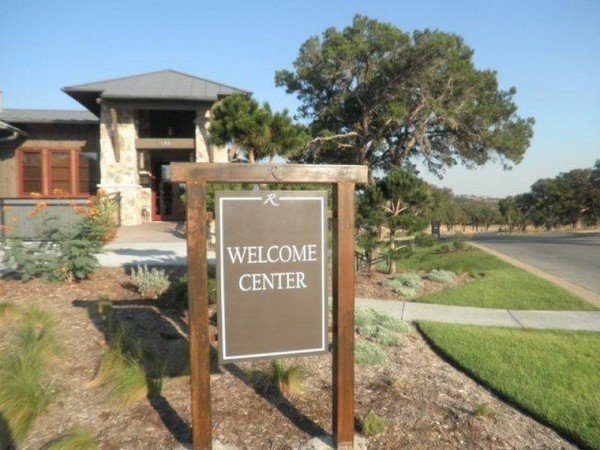
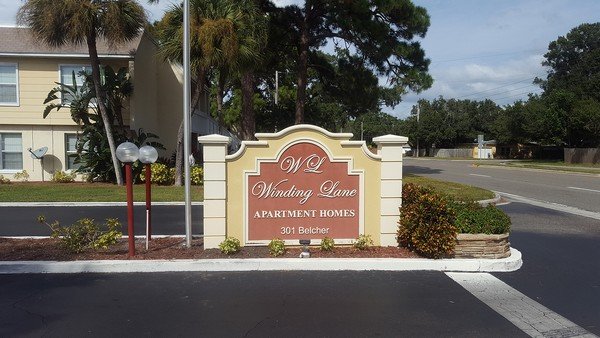
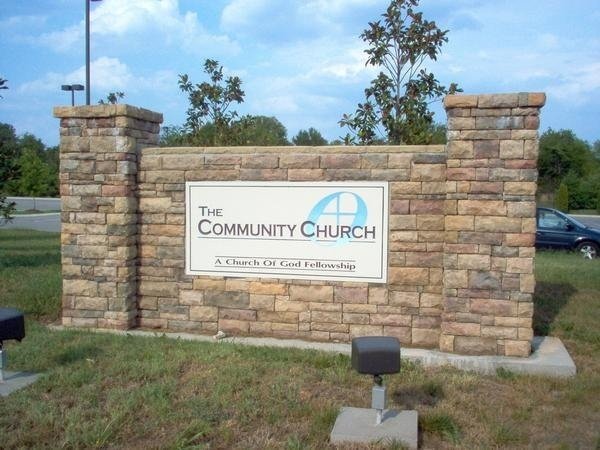
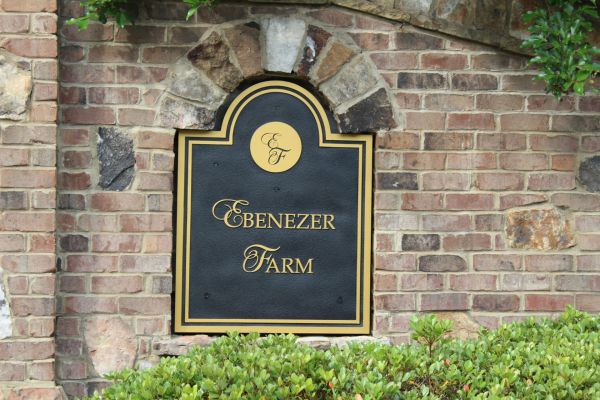
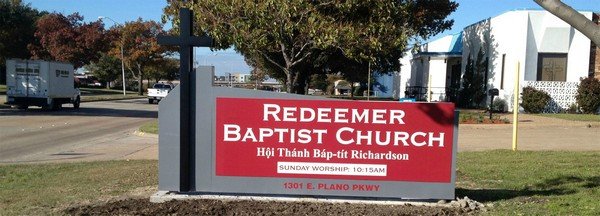
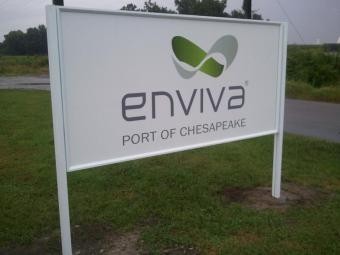
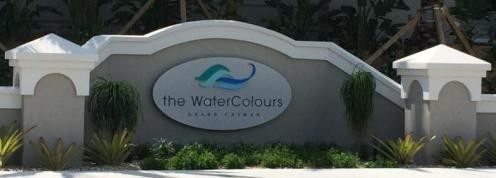
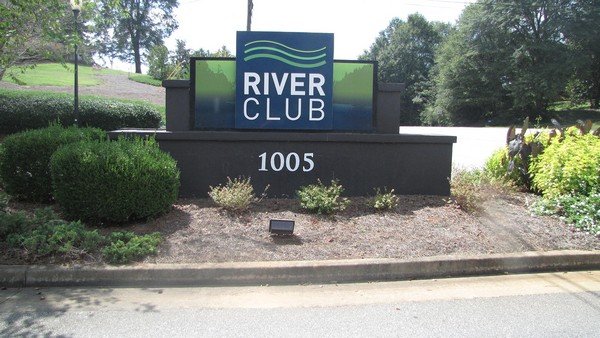
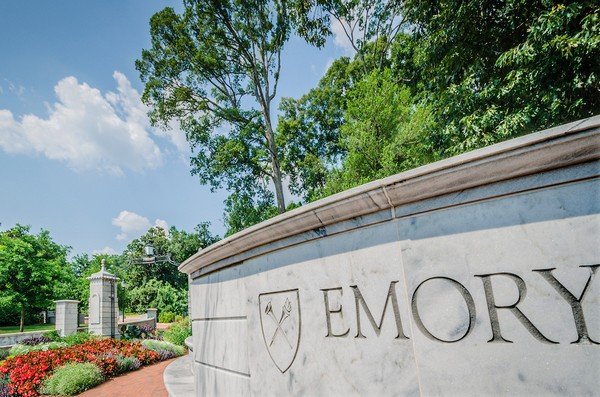
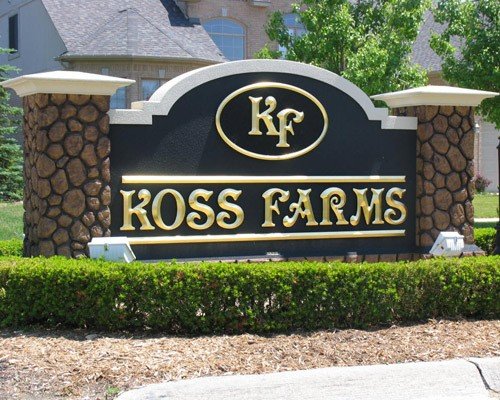
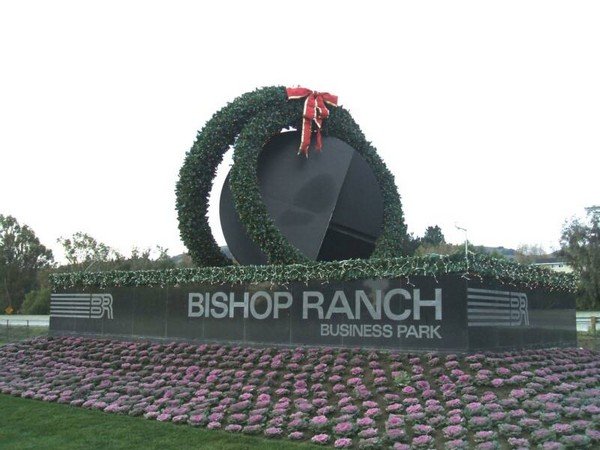
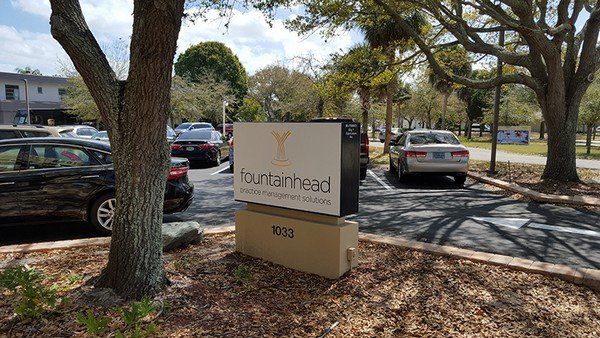
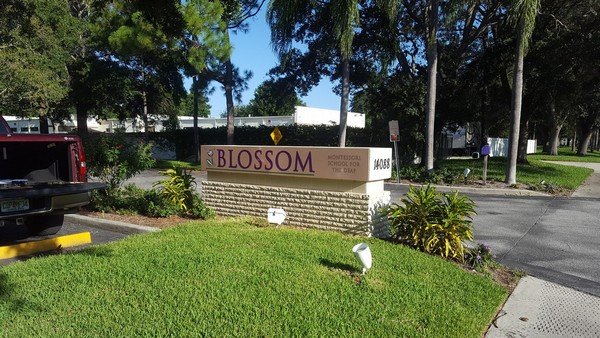
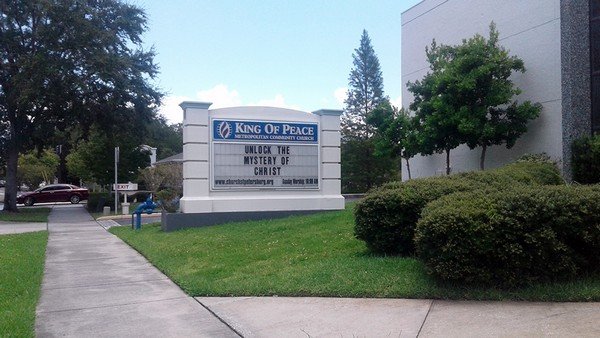
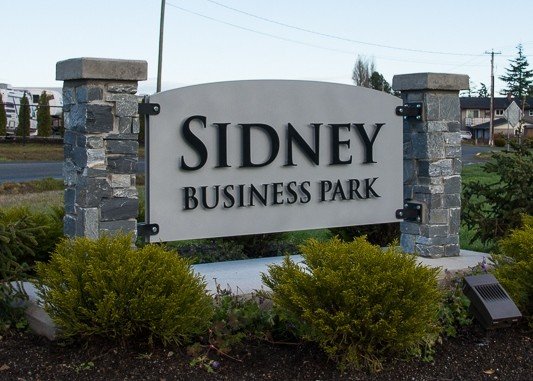
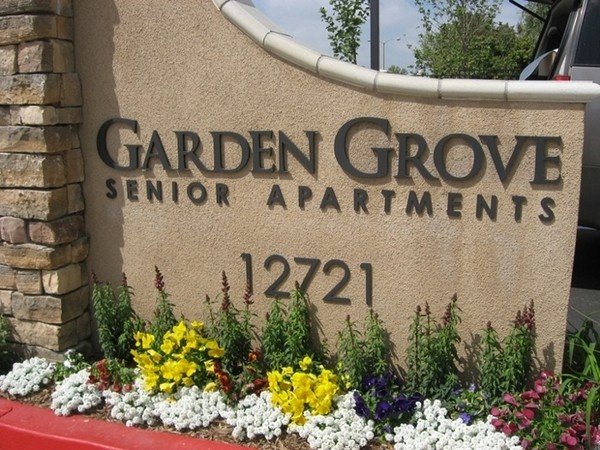
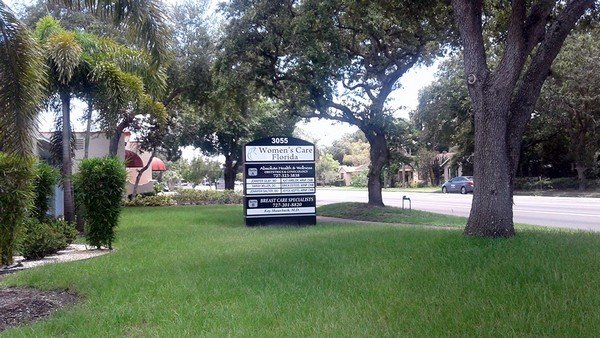
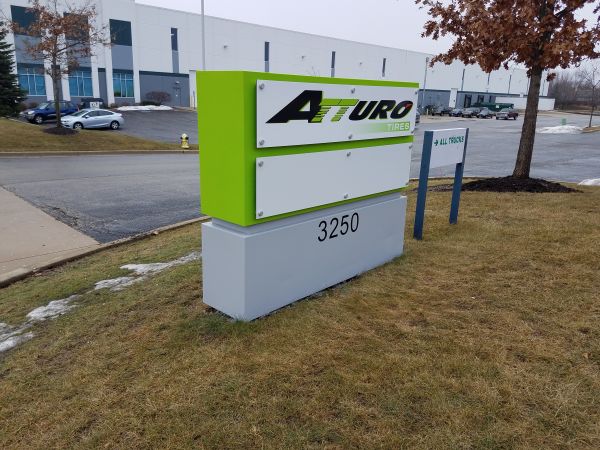
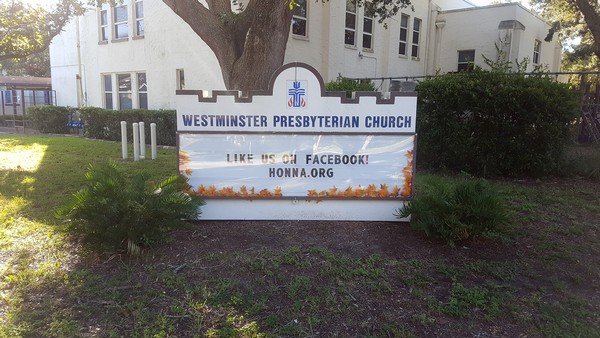
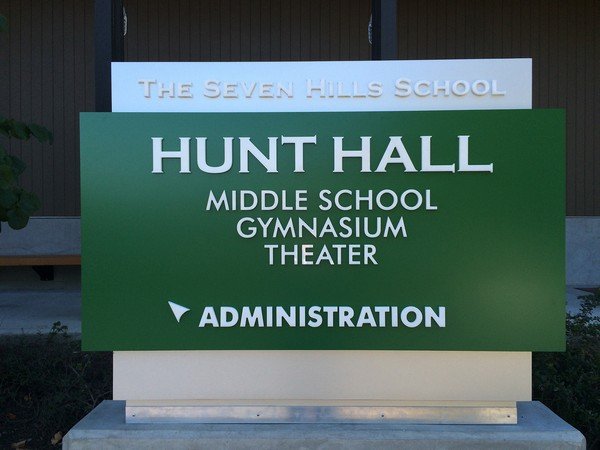
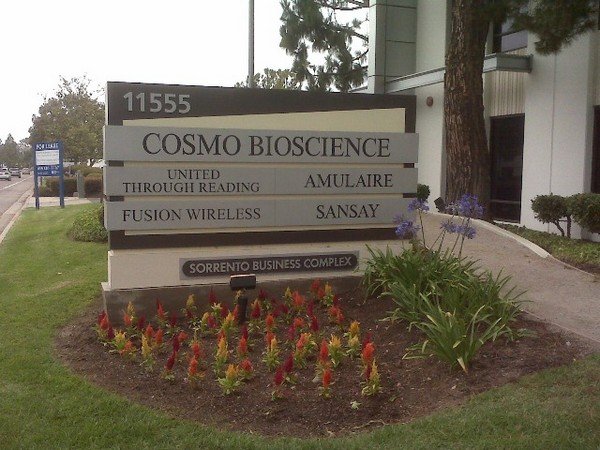
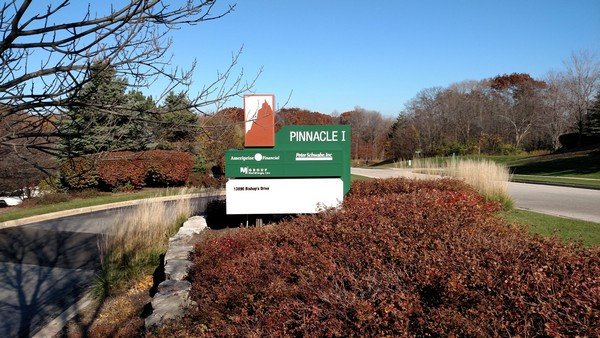
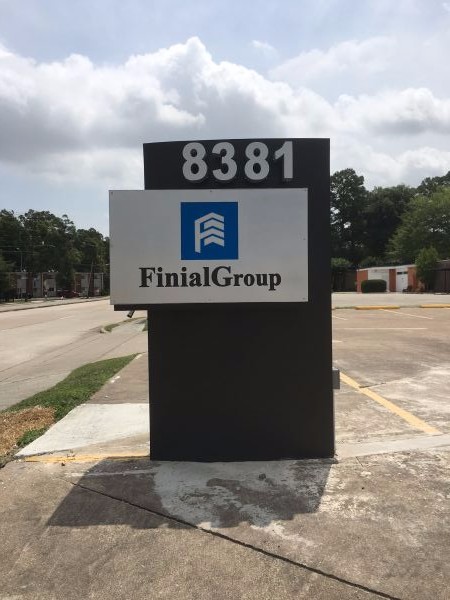
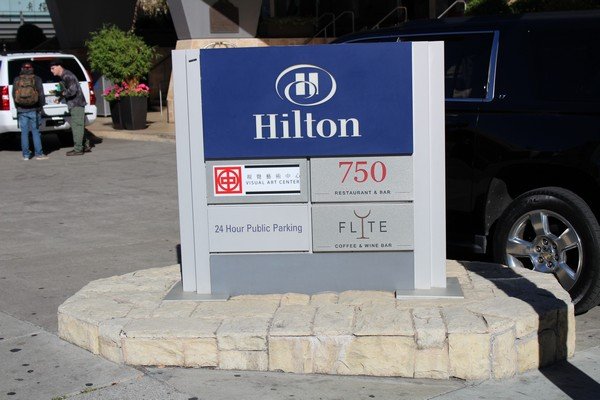
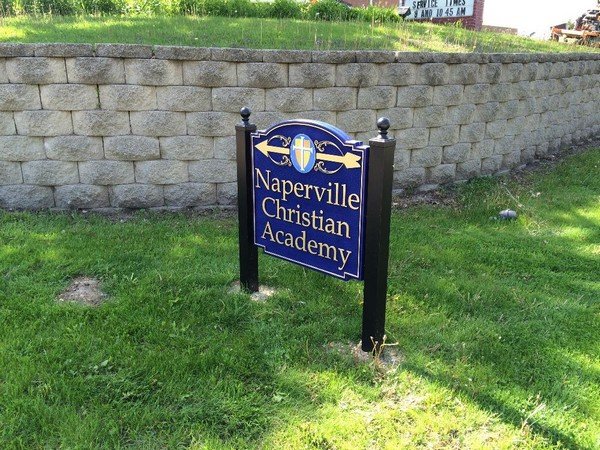
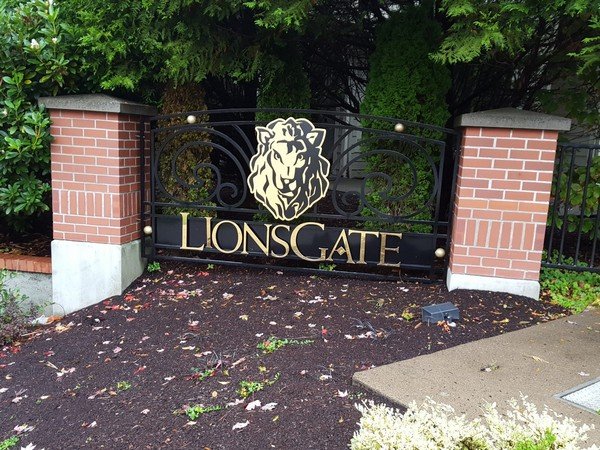
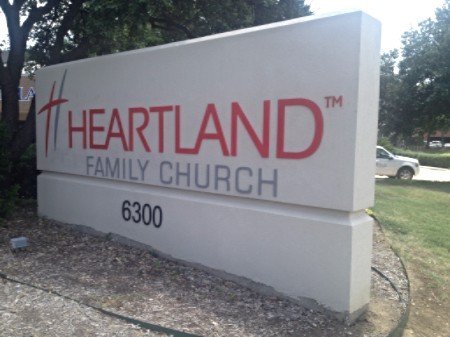
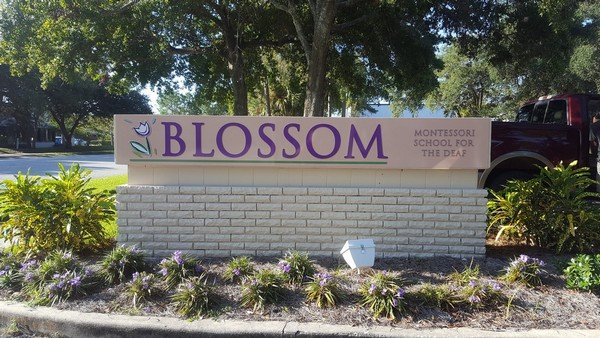
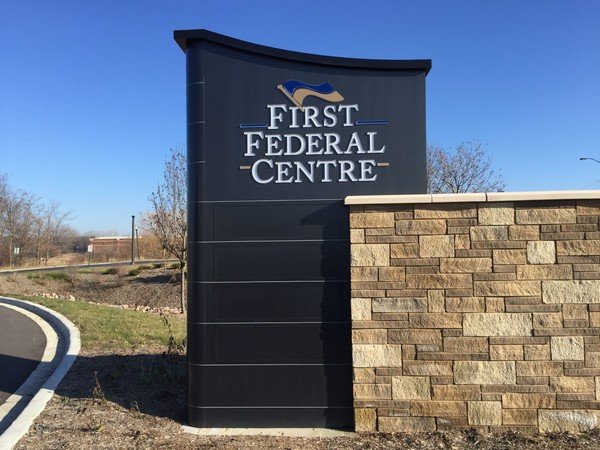
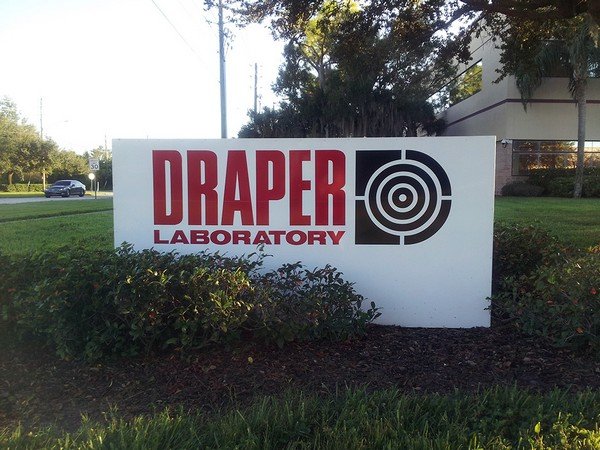
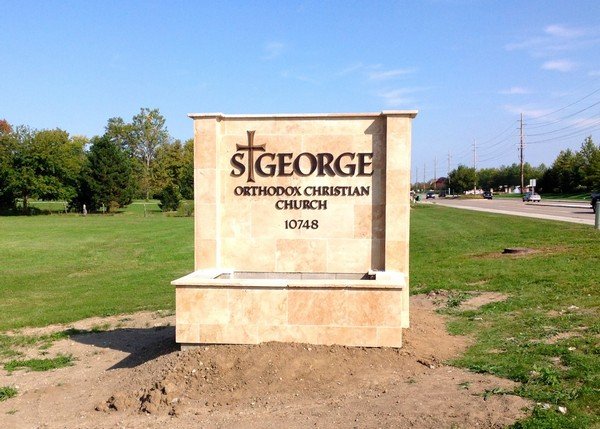
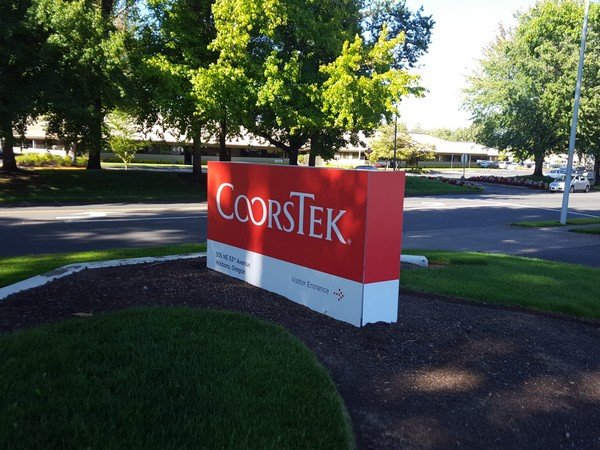
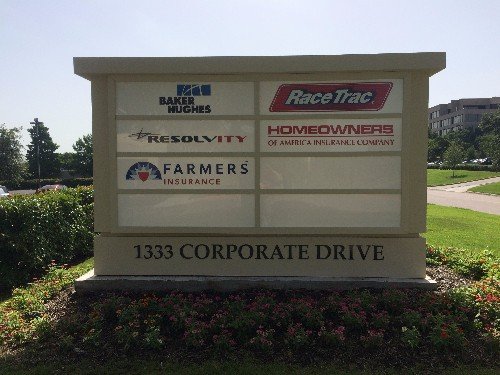
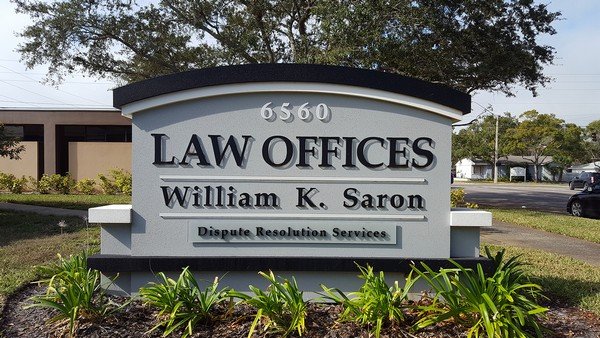
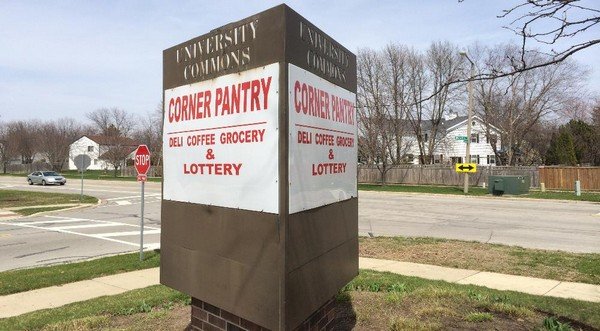
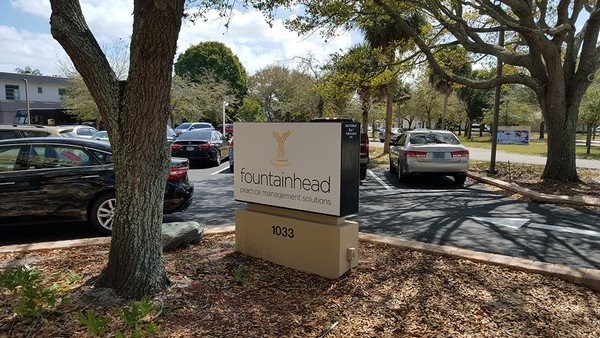
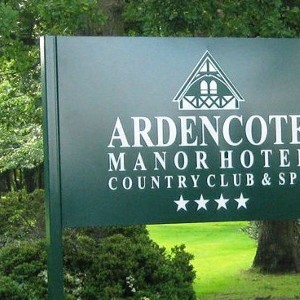
Monument signs are an ideal option for business, club, or organization looking to create an impressive entrance to their facility! Monument signs are a large, permanent structure that can be either etched or fitted with panels or affixed lettering to display your business name, address, or other information proudly.
Axe Signs will craft the monument sign that fits your location, brand personality, and desires. We can include a digital message board, lighting, or create your sign using a solid material. Whether you need a tasteful monument sign, or a funky sandblasted one, we can build it for you!
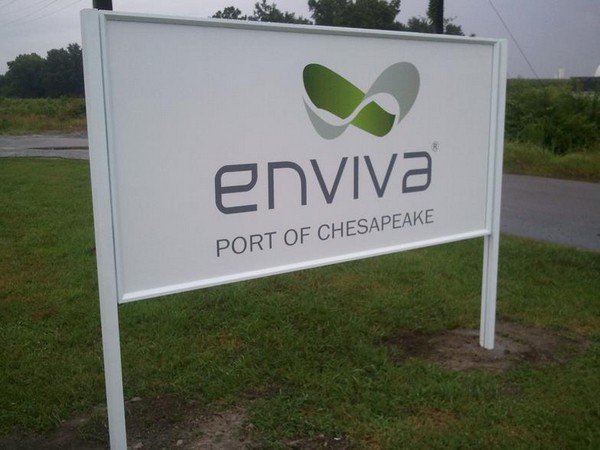
Monument signs are often found adorning the main entrance to corporate offices, government buildings, manufacturing plants, universities and schools, churches, resorts, and private clubs.
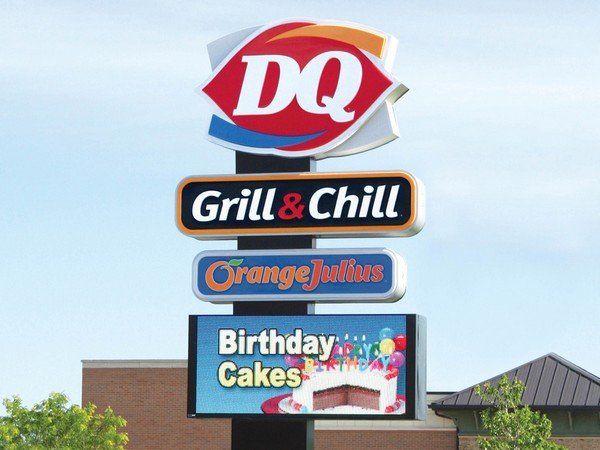
Pole Signs & Pylon Signs
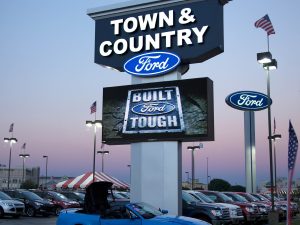
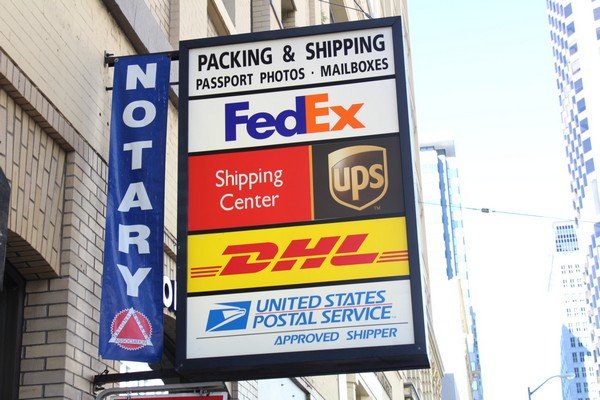
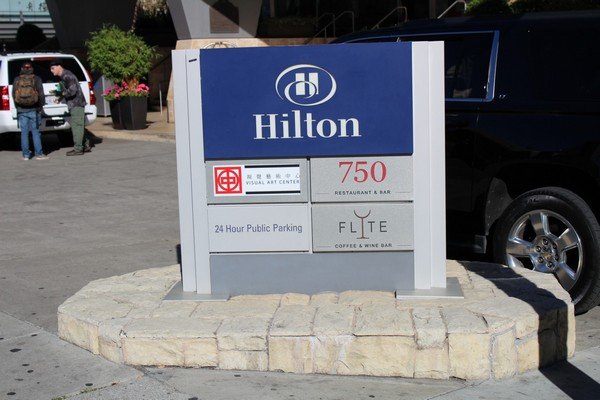
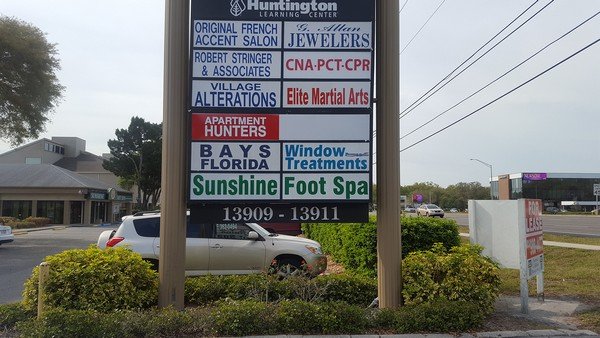
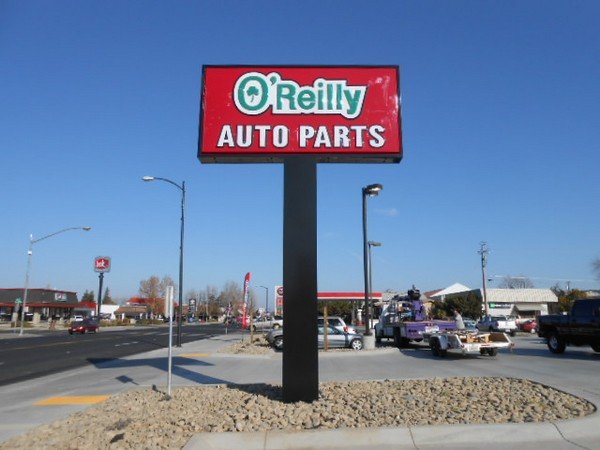
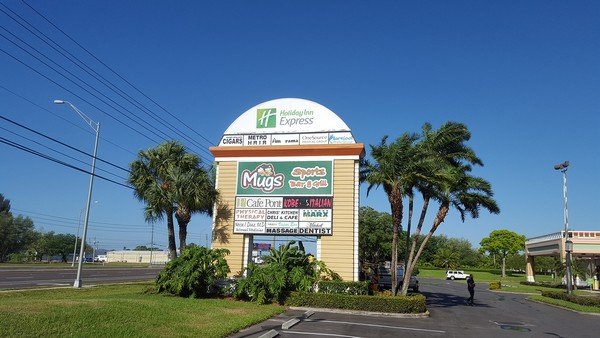
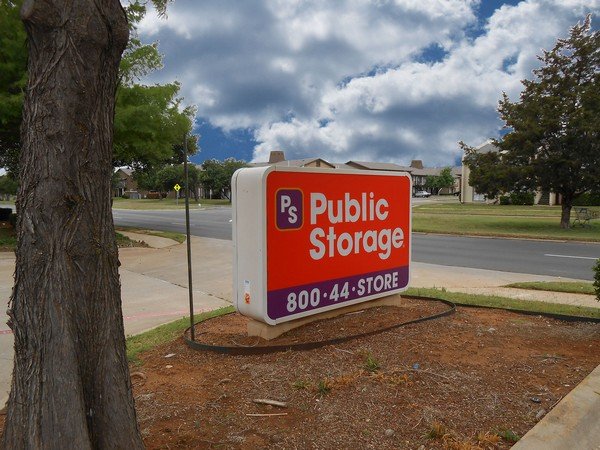
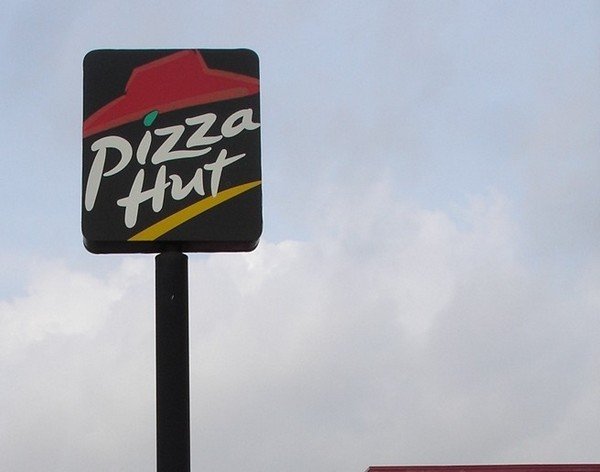
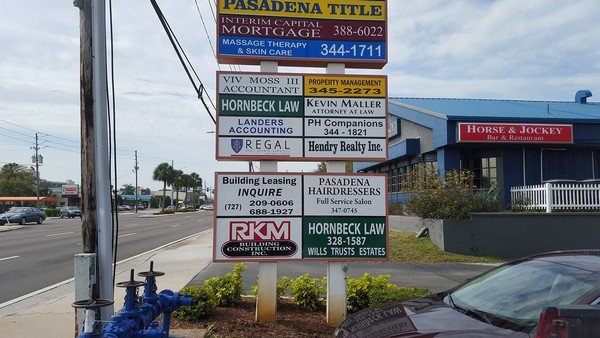
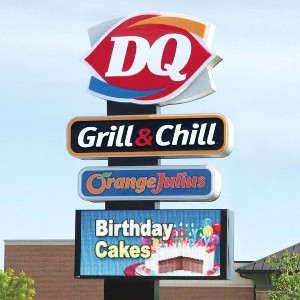
Are you situated near a major roadway or interstate and need to increase your business visibility? Pole signs are the ideal solution for you or any business with limited or no road frontage to display their business adequately!
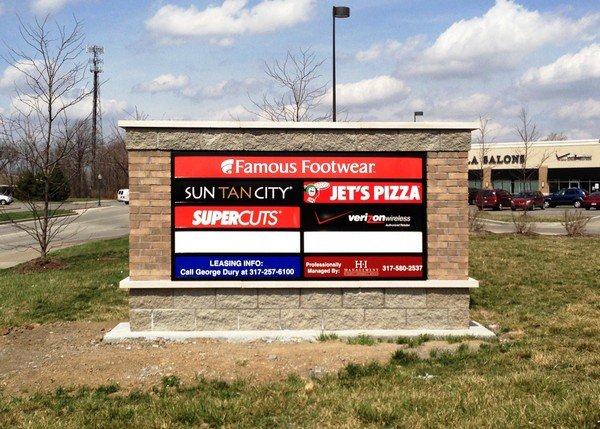
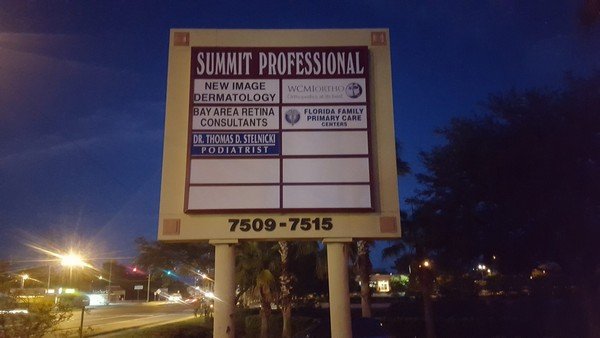
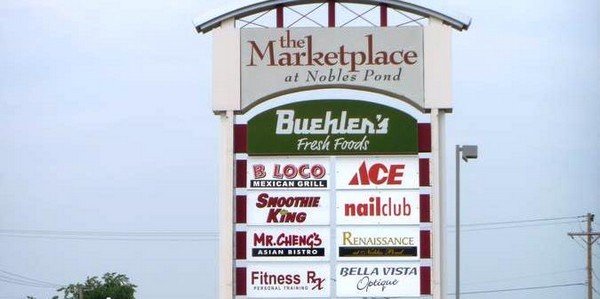
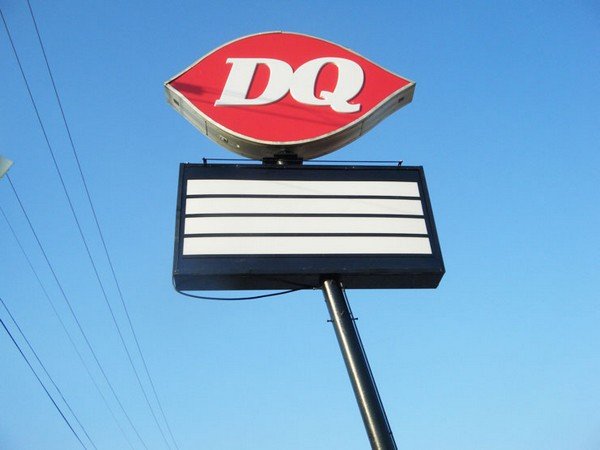
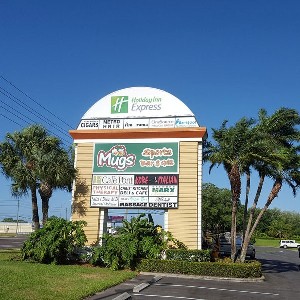
Pole, pylon, and tenant signs are used to target a wider audience and offer various height, size, and display options to fit your particular need and business!
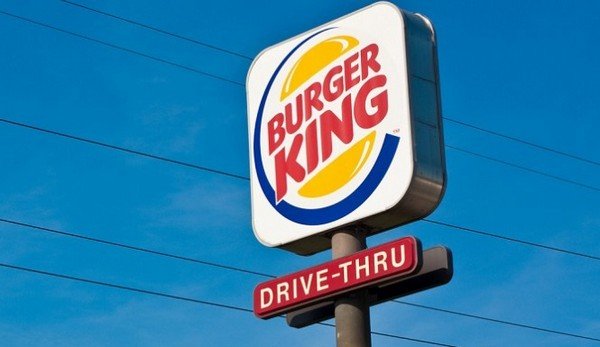
Pole signs are the king of visibility, drawing in customers to fast food, gas stations, shopping centers, supermarkets, and any business not easily seen from the road.
Complete Exterior Signage Provider
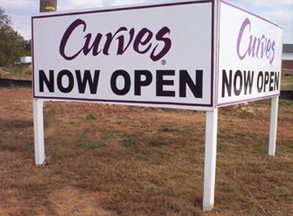 Exterior signage not only is ideal for increasing your business and brand visibility, but also as a way of impressing your potential customers. Every business relies on creating the best possible image when growing their business. Your Atlanta, GA exterior signage plays a significant role in how you achieve that image and how quickly you can reach your marketing goals.
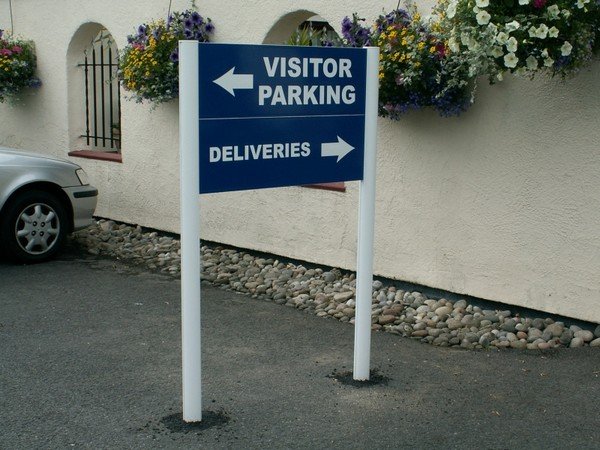
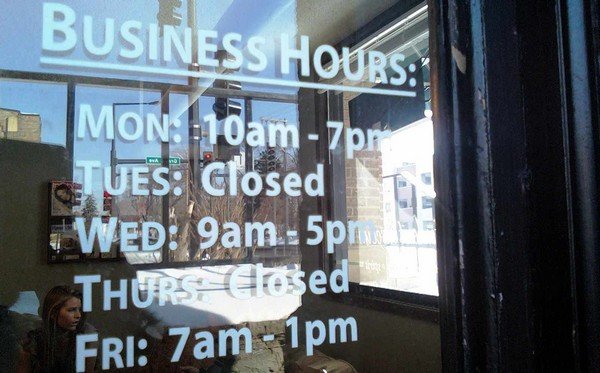
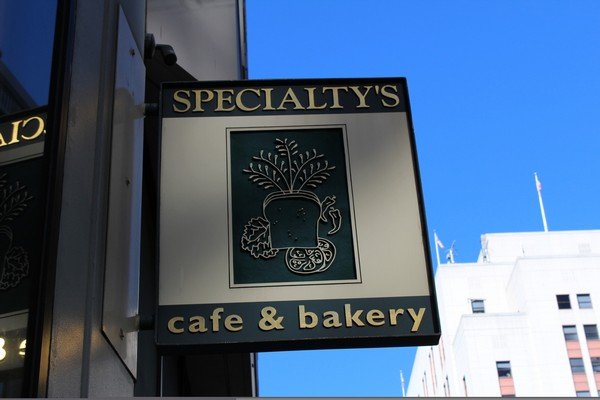
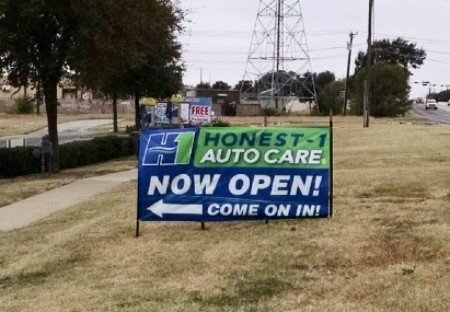
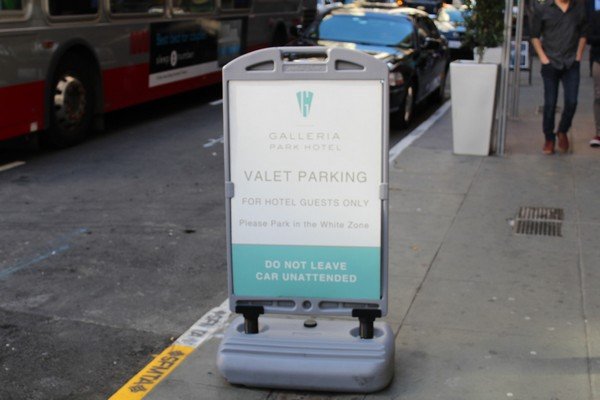
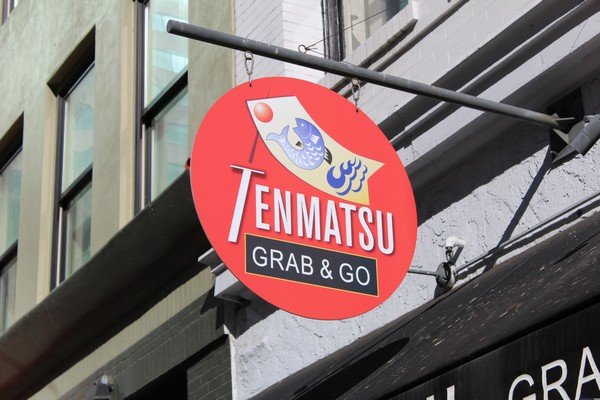
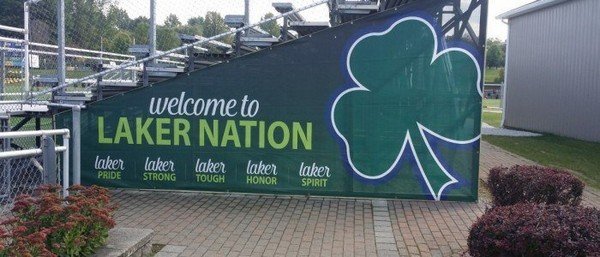
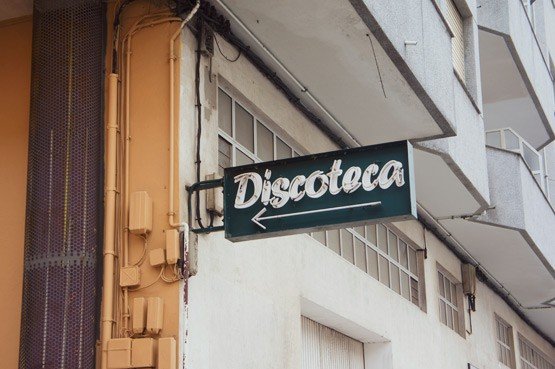
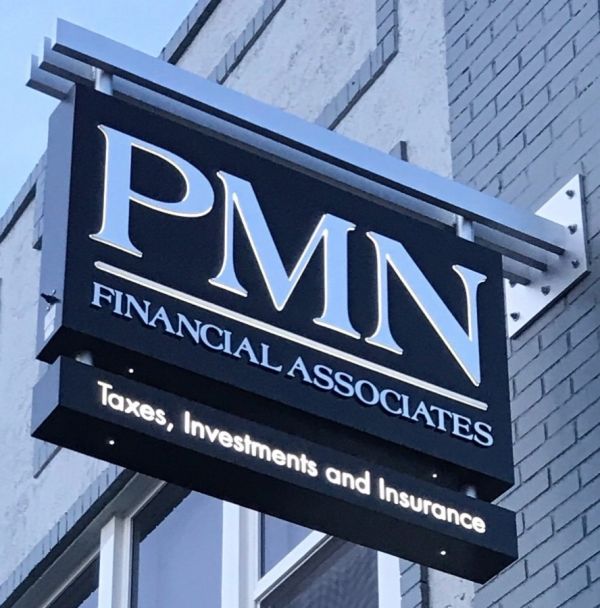
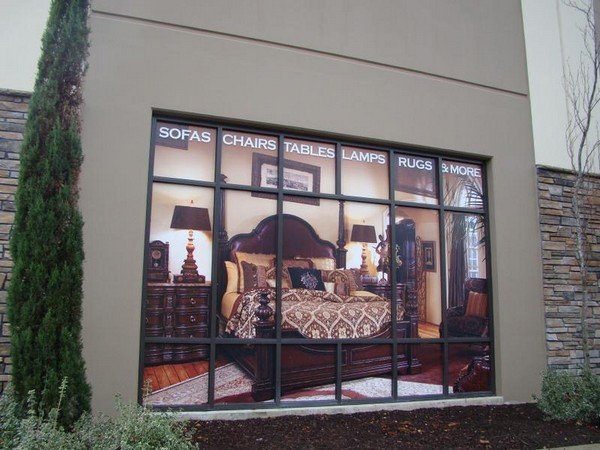
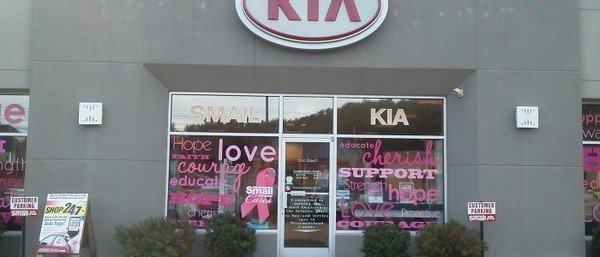
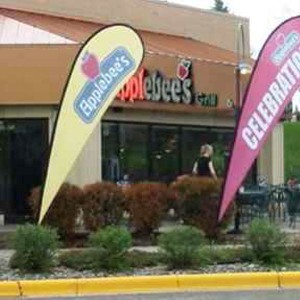
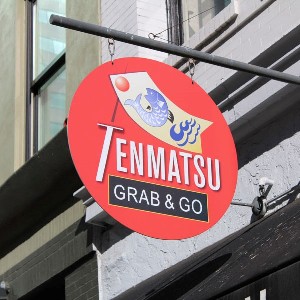
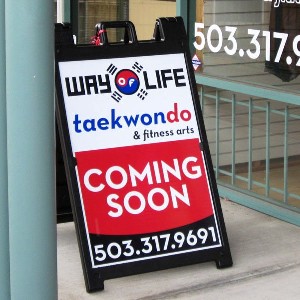
We create the outdoor signs you need to support your goals, including real estate signs, post and panel signs, yard signs, flag signs, A-frame signs, vehicle wraps, blade signs, vinyl window signs, or any business signage you could ever need!
We also create indoor signage to create a cohesive look for maximum impact!
Our other exterior signs include:
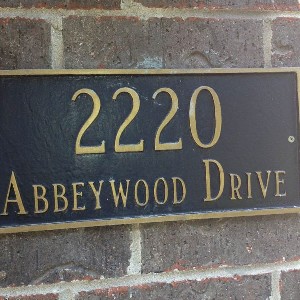
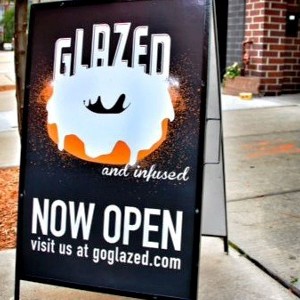
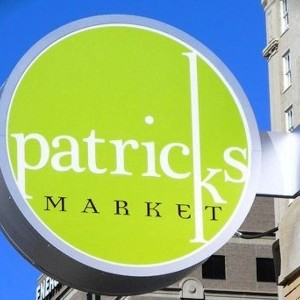
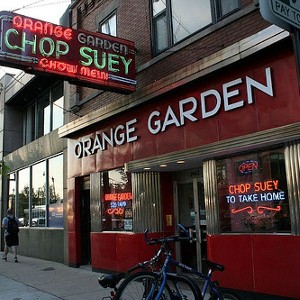
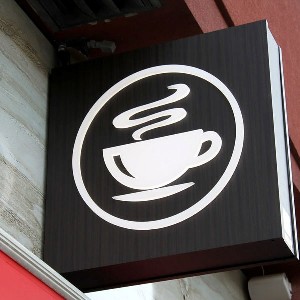
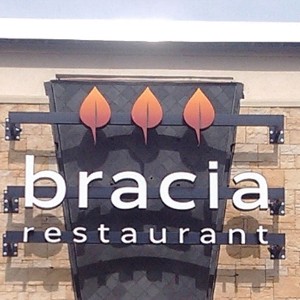
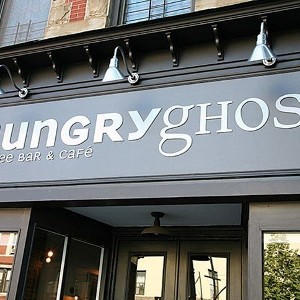
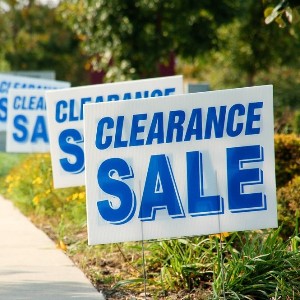
If you don’t see the sign you are looking for, don’t worry! This list is only a sample of the variety of outdoor signage we provide. Axe Signs‘s signage experts have the tools, resources, and knowledge to craft virtually any signage solution imaginable. We look forward to discussing your needs.
Full-Service Exterior Sign Company
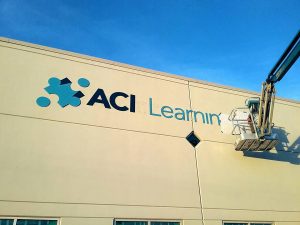 As a full-service signage provider, Axe Signs provides a large selection of outdoor signage for your business, club, and organization. We work with you to create the signage solutions you need by working with you throughout your entire signage project from initial design concept through manufacturing and installation.
You don’t need to be a graphic designer or have one employed. Axe Signs provides complete design assistance. We will work with you to create the signage you need based on any existing signs or brand guidelines, if you don’t have any, that’s OK too! We can create new brand guidelines and style sheets you can use moving forward. Whether you need outdoor banners, real estate signs, lighted exterior signs, our highly-skilled team of designers are here to assist you!
We do all of our work right here in our local state-of-the-art production facility. Our designers, fabricators, and installers all work together to create a seamless transition from one phase to the next, ensuring that everyone is on the same page at the same time for maximum efficiency and accuracy.
We provide you with the custom signage solutions you need to reach your marketing goals and grow your business. Let the experts at Axe Signs discuss your signage needs and help you achieve your signage goals with our high-quality, eye-catching exterior signs!
Free Outdoor Sign Consultation
 When you need attractive, compelling exterior signage for your business identification and promotional needs, Axe Signs is the signage partner you can rely on. By working closely with our clients, we deliver the custom-made signs tailored to meet their specific needs with the accuracy and impactfulness needed to achieve any signage goal. We look forward to becoming your long-term Atlanta signage provider, helping to grow your business today and in the future!
Call Axe Signs at (678) 433-9878 for a Free Consultation with an Exterior Sign Specialist!